AIGF
Role
Senior Product Designer
Platforms
AIGF
Duration
8 months
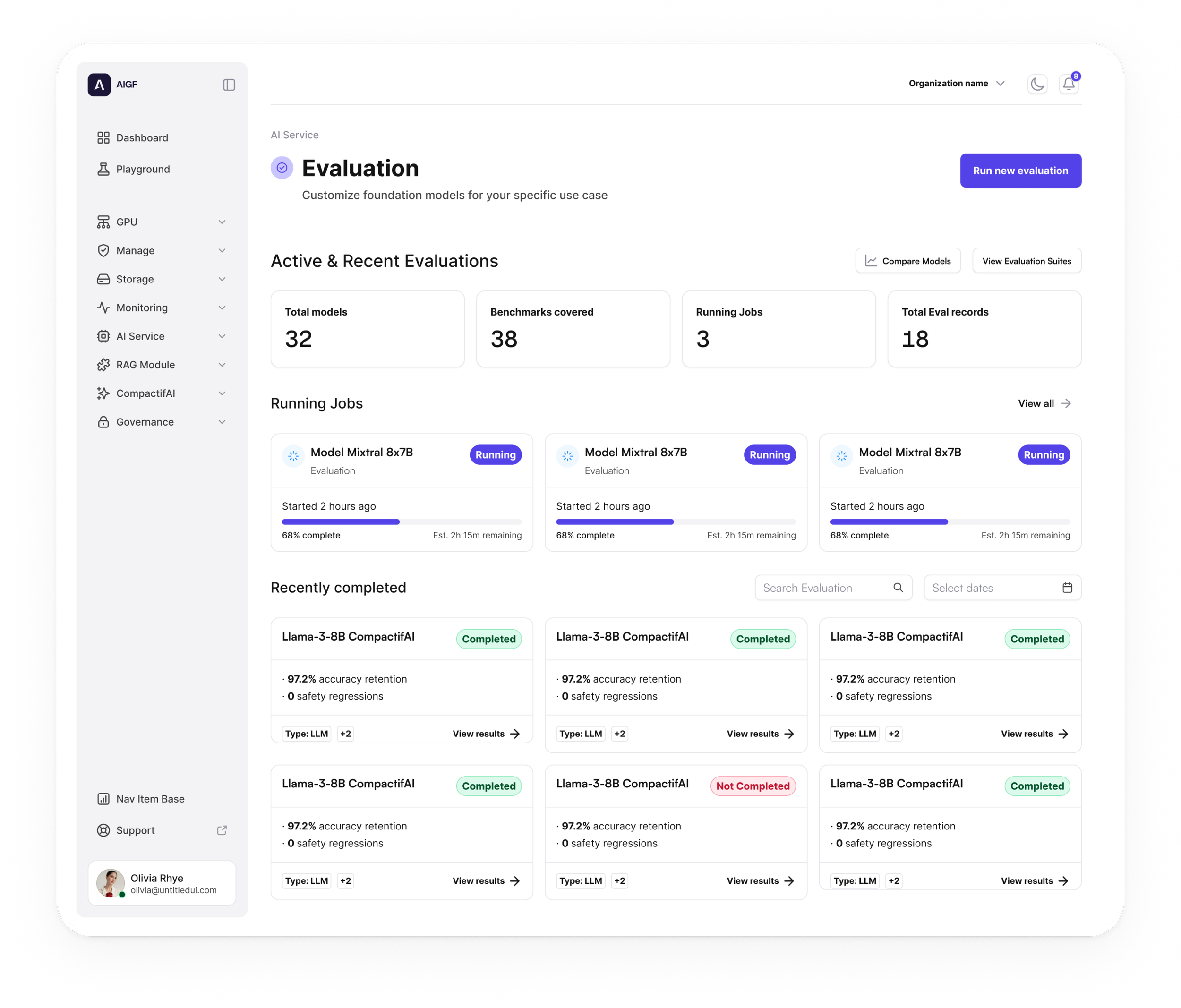
Startup MVP - Metrics & Impact: Delivered the MVP on time, helping build investor confidence and contributing to a multi-million-euro Spanish Government investment to further develop the platform and advance AI research. The Design System reduced design and development effort by 70%, accelerating delivery and enabling more consistent, scalable product experiences.
CONTEXT & ROLE
Led the Product Design team
Co-created the product in collaboration with Telefónica
Transformed complex technical requirements into intuitive workflows
Delivered the MVP within five months to support the Spanish Government investment process
AIGF (AI Gateway Framework) is an enterprise AI platform co-created by MCV, Multiverse Computing, and Telefónica, bringing AI resource management, deployment, monitoring, and experimentation into one unified experience. Combining Telefónica’s cloud and enterprise capabilities, MCV’s product and UX expertise, and Multiverse Computing’s AI technology, the platform provides organizations with a single access point to manage and scale AI services.
CHALLENGE
The challenge was to transform a powerful technical platform, originally built “by engineers, for engineers,” into a clear and intuitive experience. As the product evolved, new features and patterns had created inconsistent interfaces and fragmented workflows, making the platform increasingly complex to navigate.
We started by identifying our key user groups, understanding their workflows, and defining what each needed from the platform.
Infrastructure Operators manage GPU clusters and Kubernetes jobs. They need high information density, fast access to technical data, and a clear operational overview. While the platform contained valuable information, it was difficult to navigate and understand efficiently.
AI Workspace Users build AI solutions, explore models, create agents, and configure RAG workflows. Unlike Infrastructure Operators, they need to accomplish these tasks without deep infrastructure expertise, requiring a simpler and more guided experience.
The goal was to design a platform that could support both complex infrastructure management and AI creation, while making each workflow clear, efficient, and accessible to its intended users.
Structure & Scalable Design System
We designed AIGF as a platform product, not a collection of features, with the goal of creating a unified ecosystem that supports both infrastructure control and AI creation.
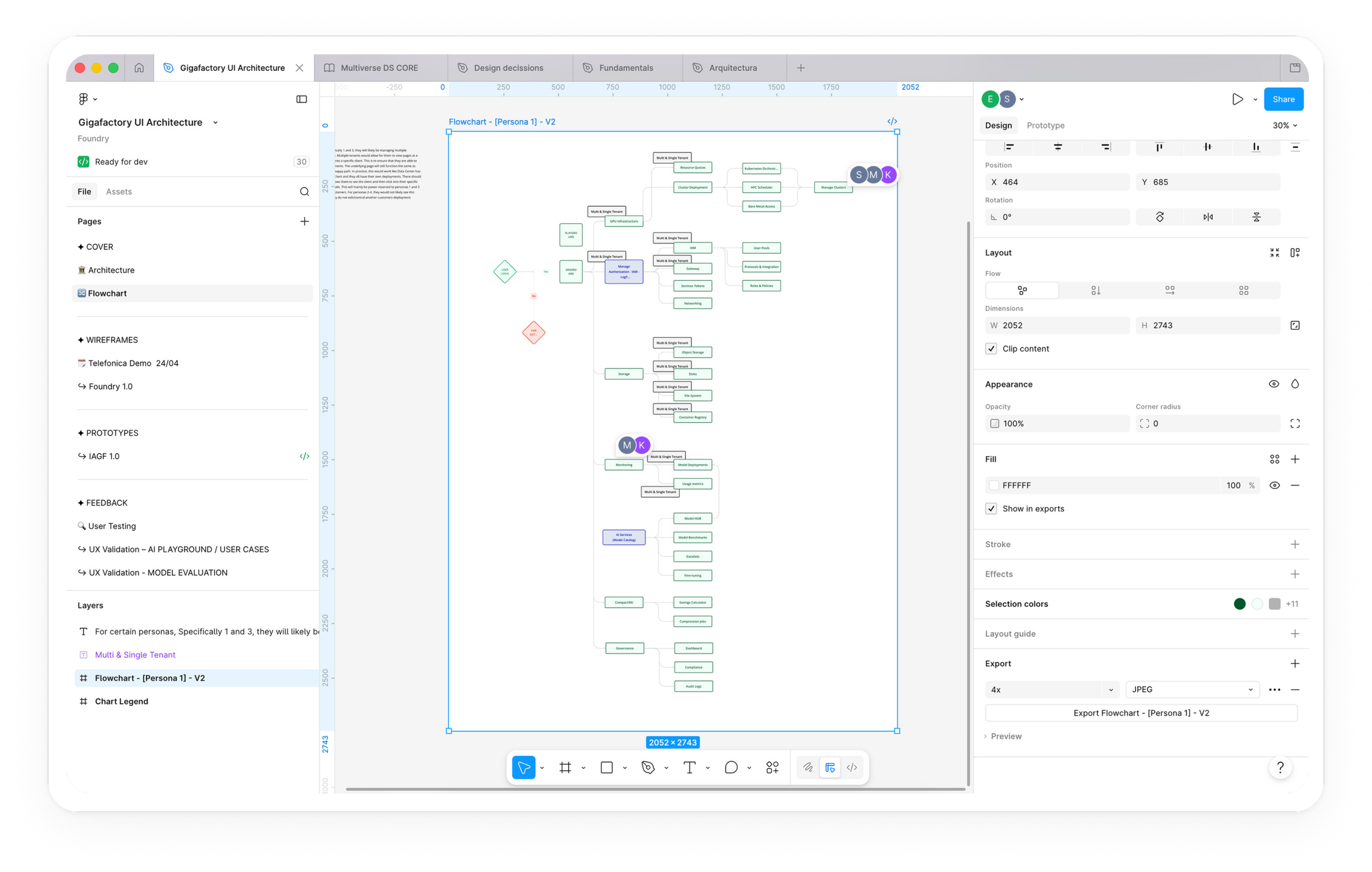
Together with Product Managers and Engineers, we defined the information architecture, user journeys, and core platform structure. We mapped key workflows and designed a navigation system where each module represented a core area of the platform, making complex workflows easier to understand and navigate.
This process established the foundation for the MVP, balancing user needs, technical feasibility, and business priorities through low-fidelity wireframes and iterative design.
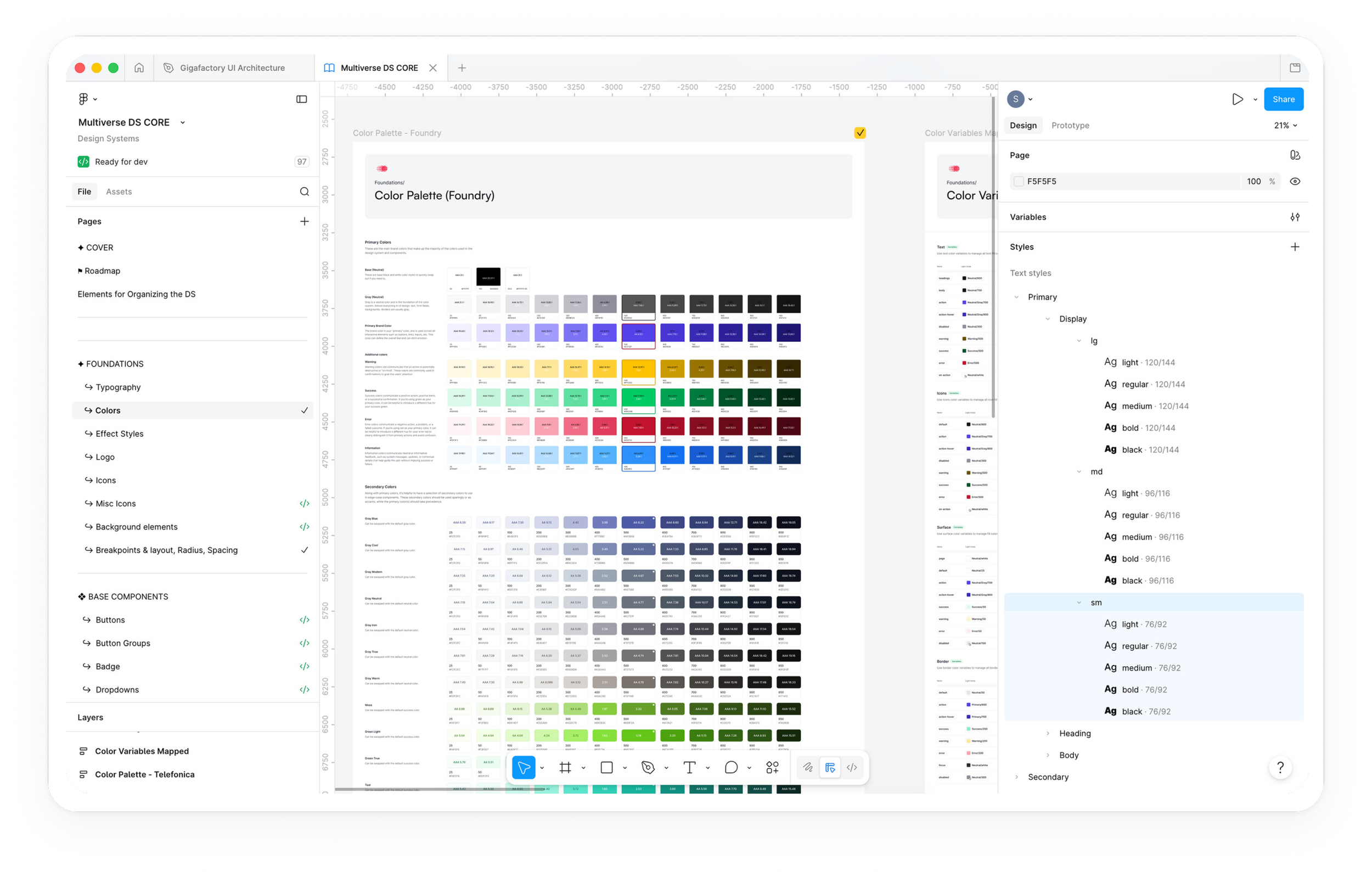
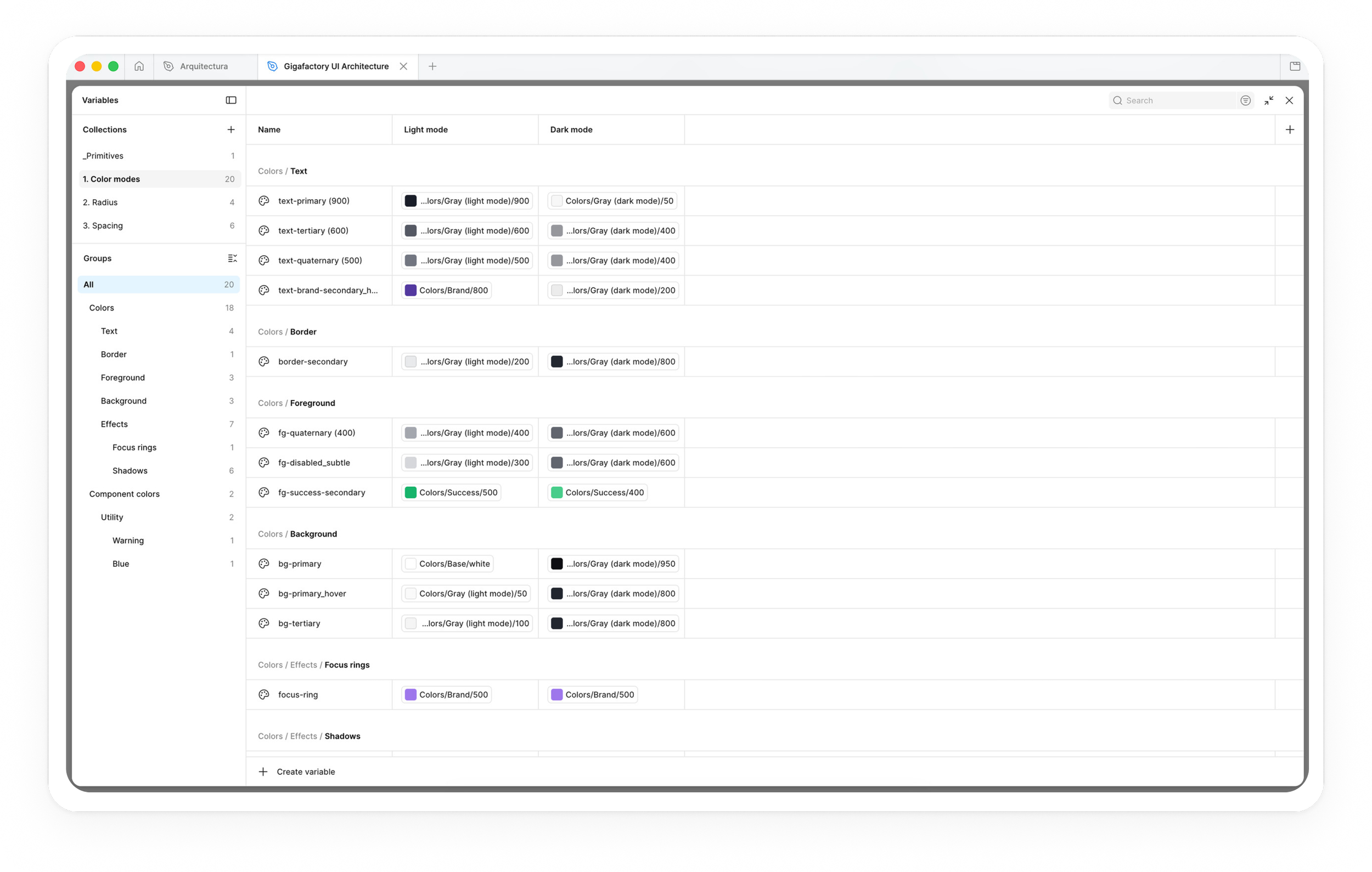
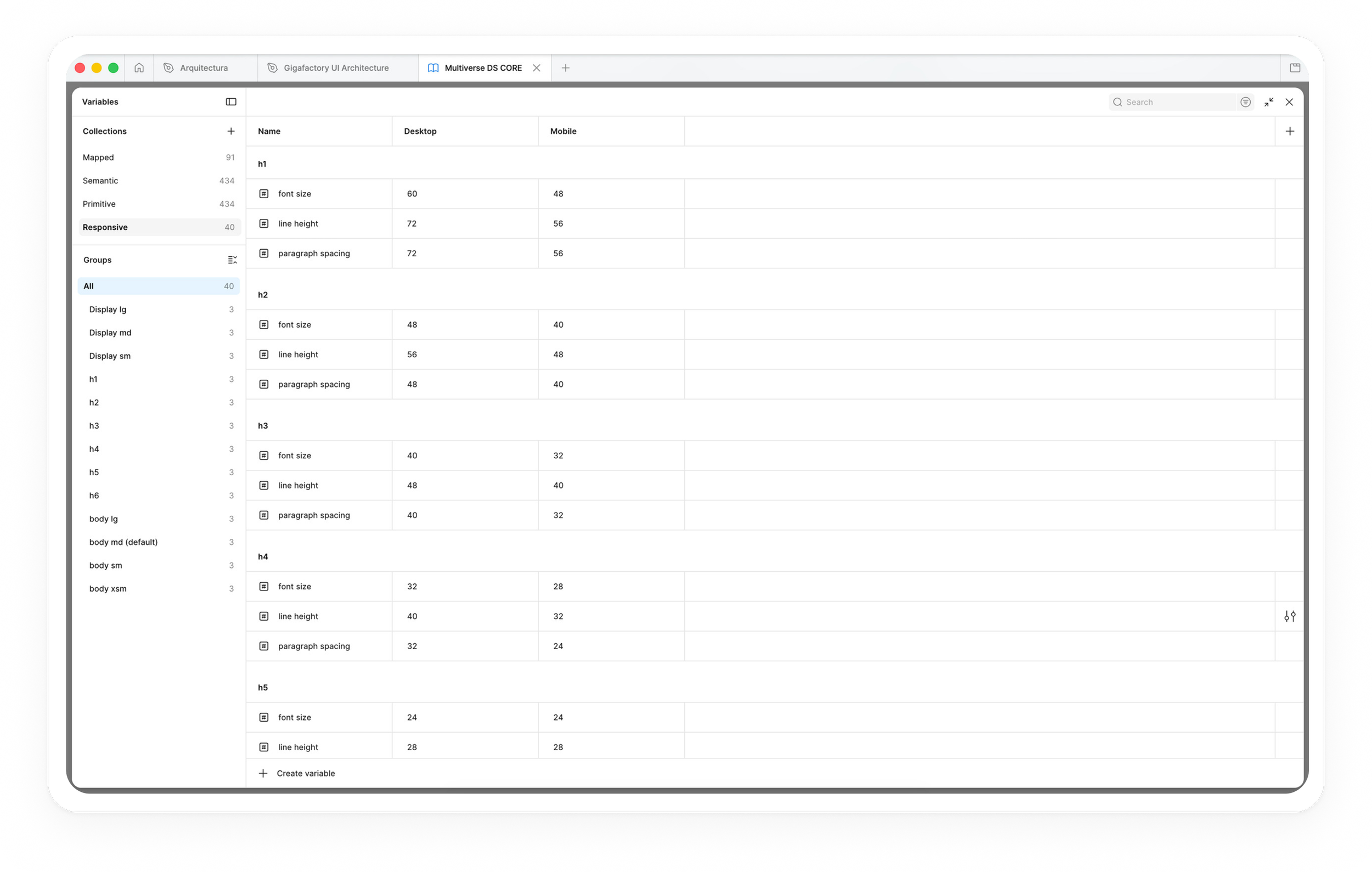
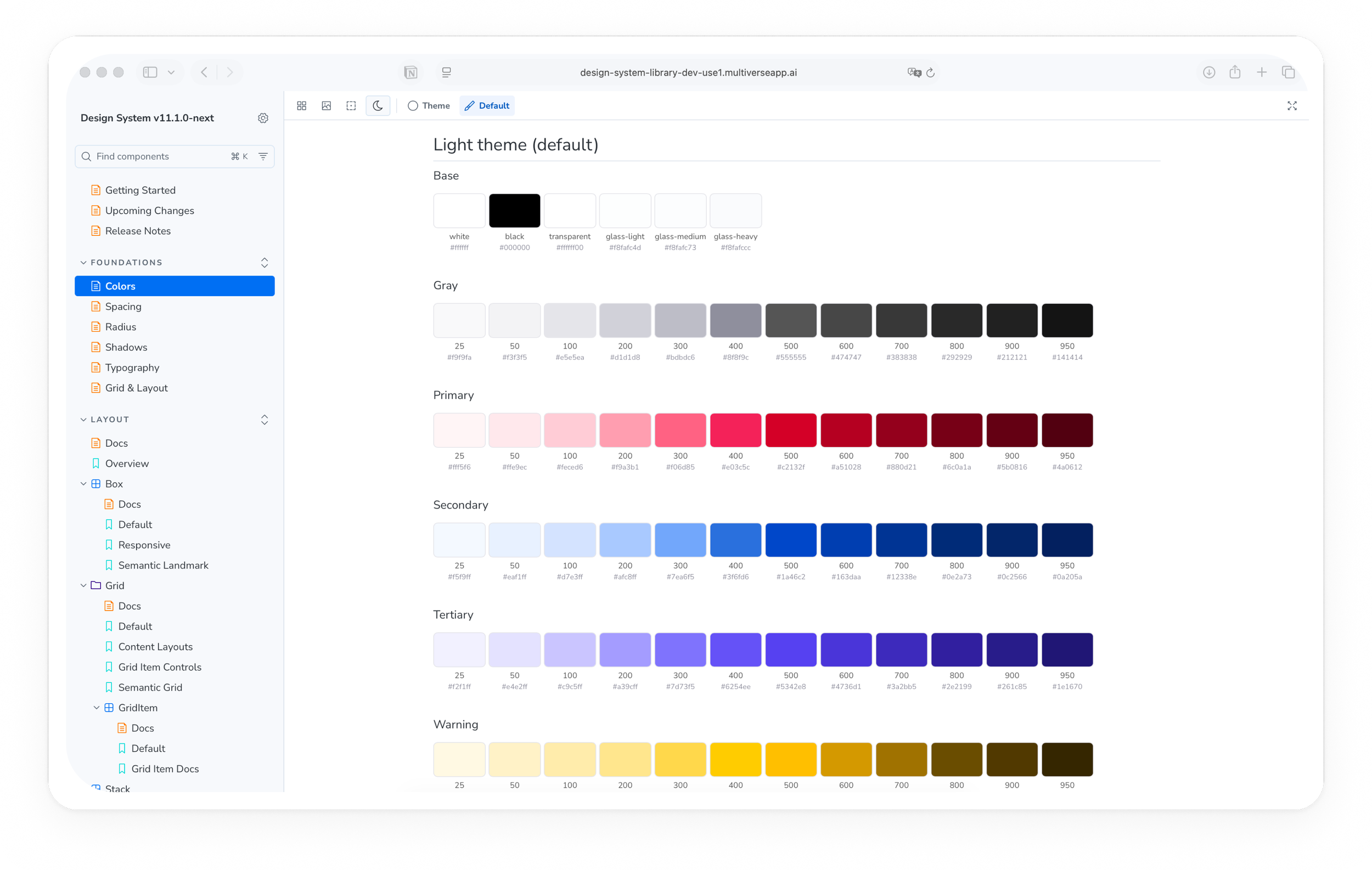
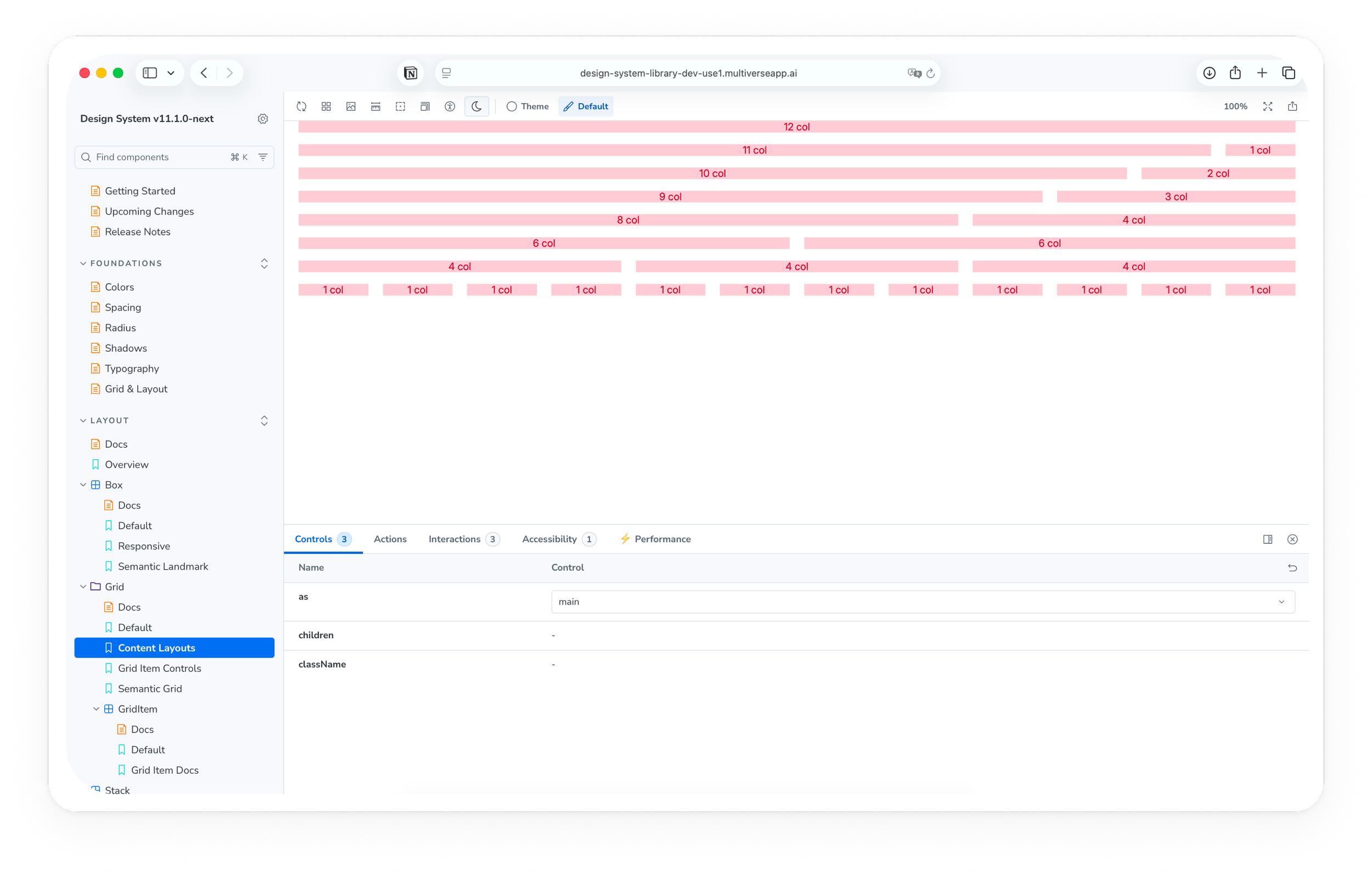
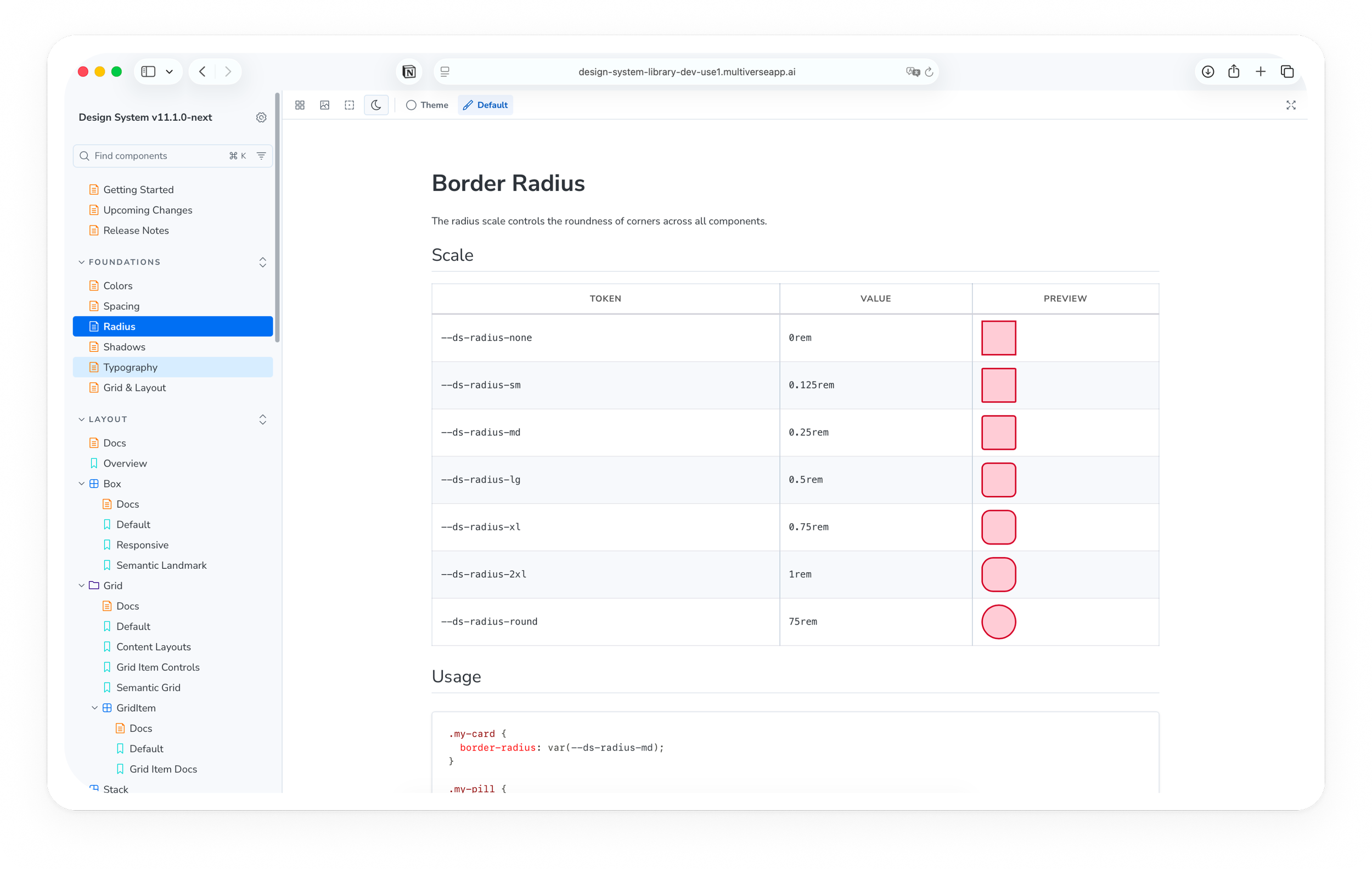
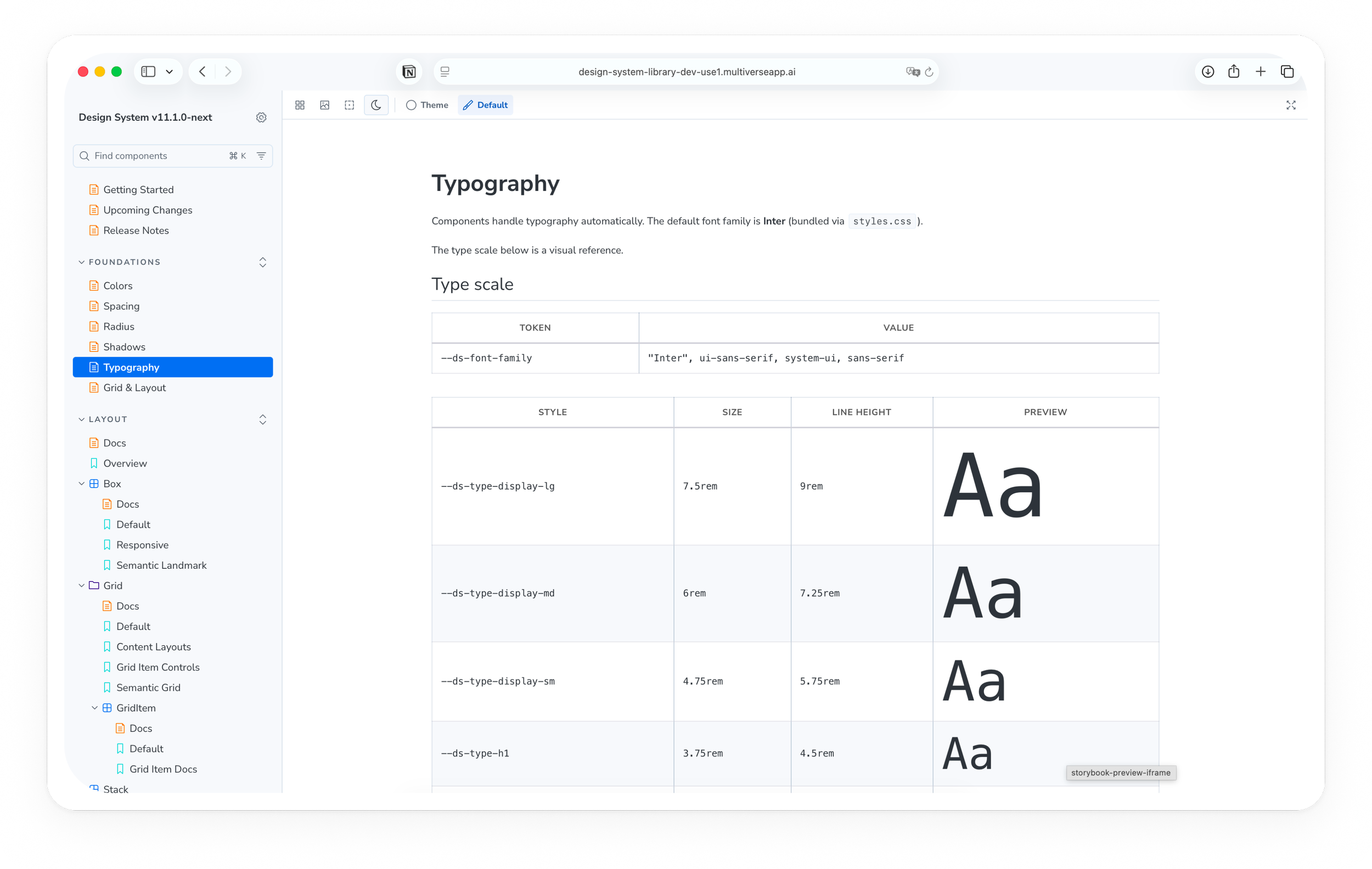
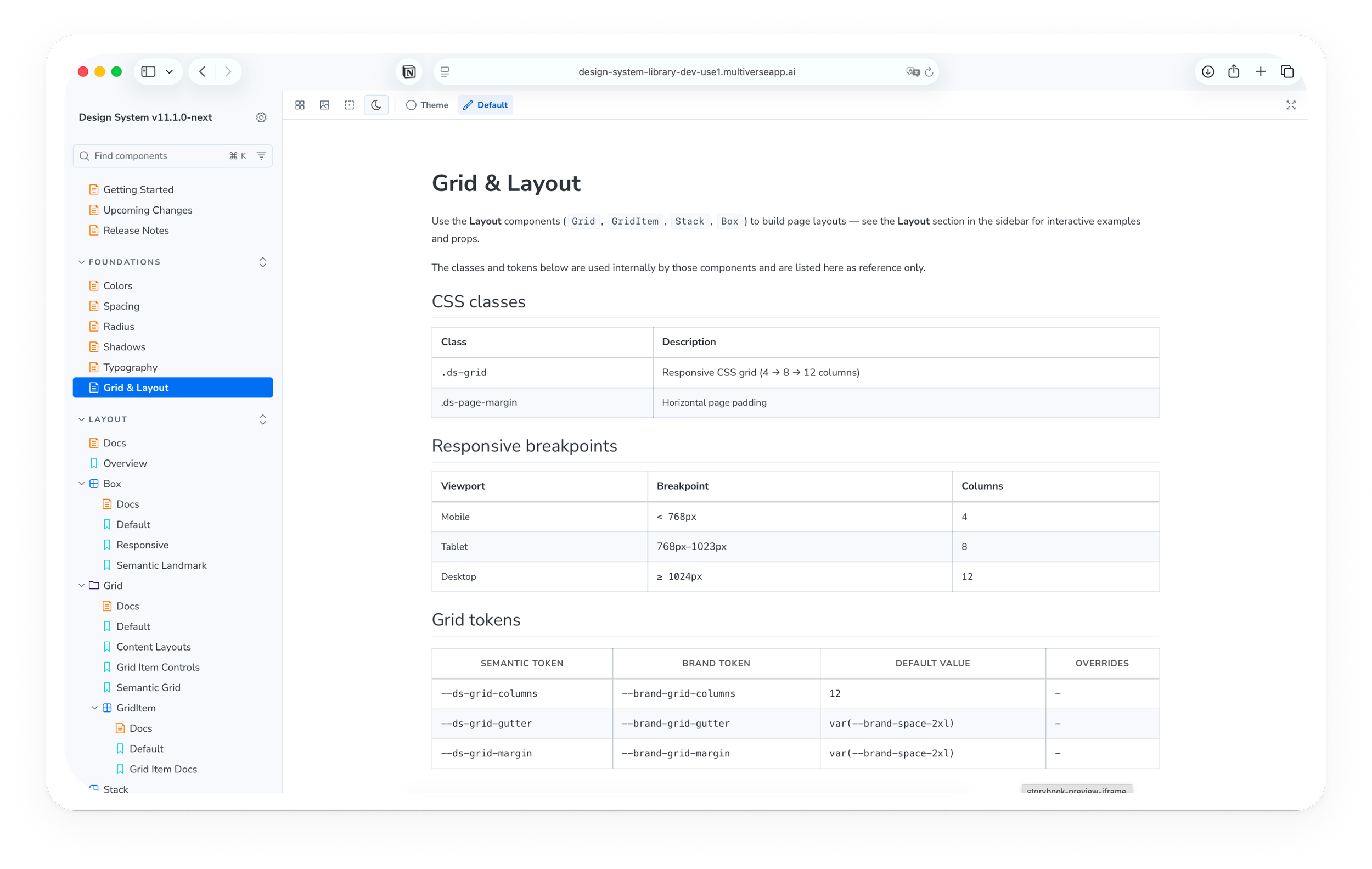
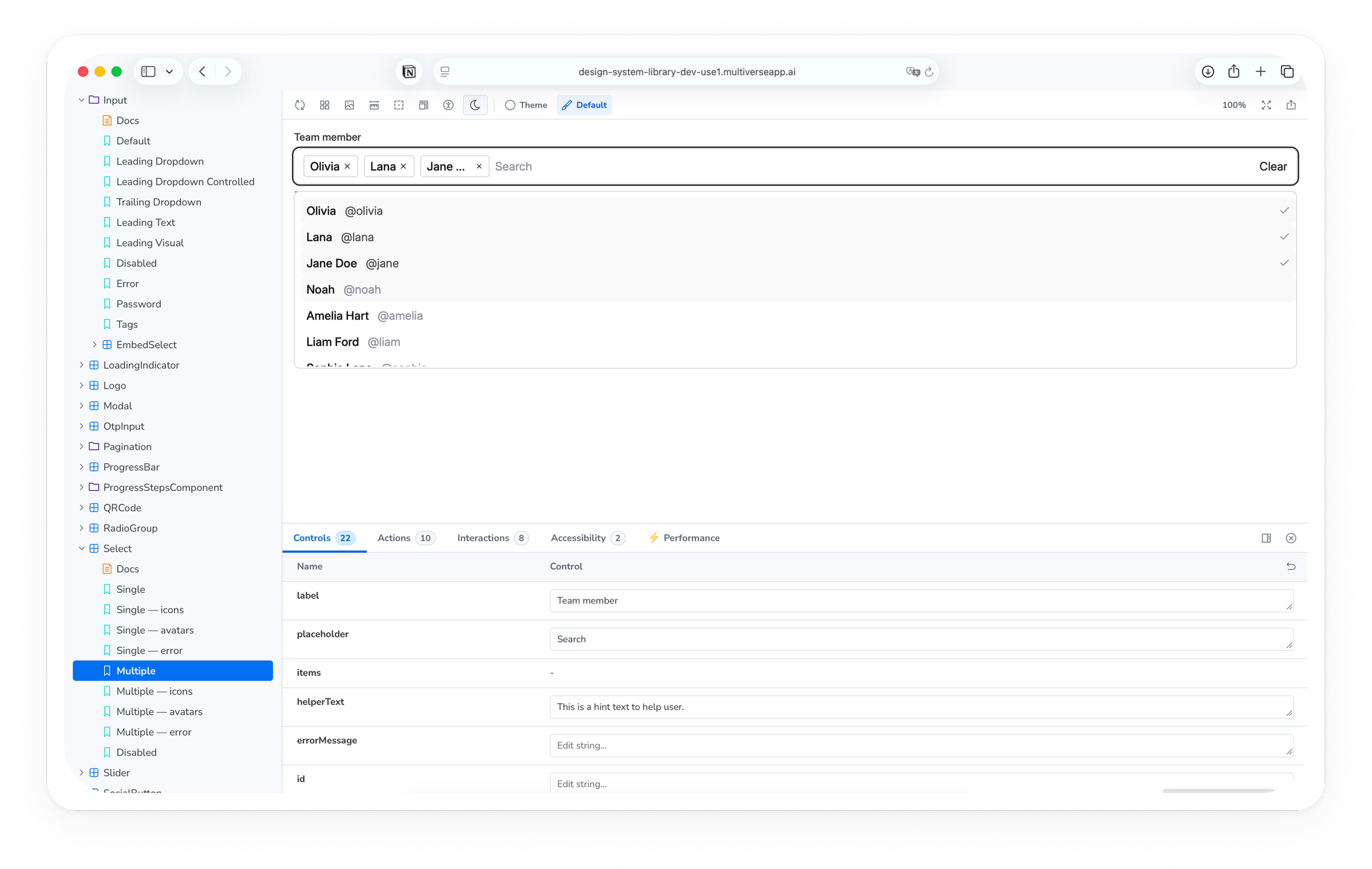
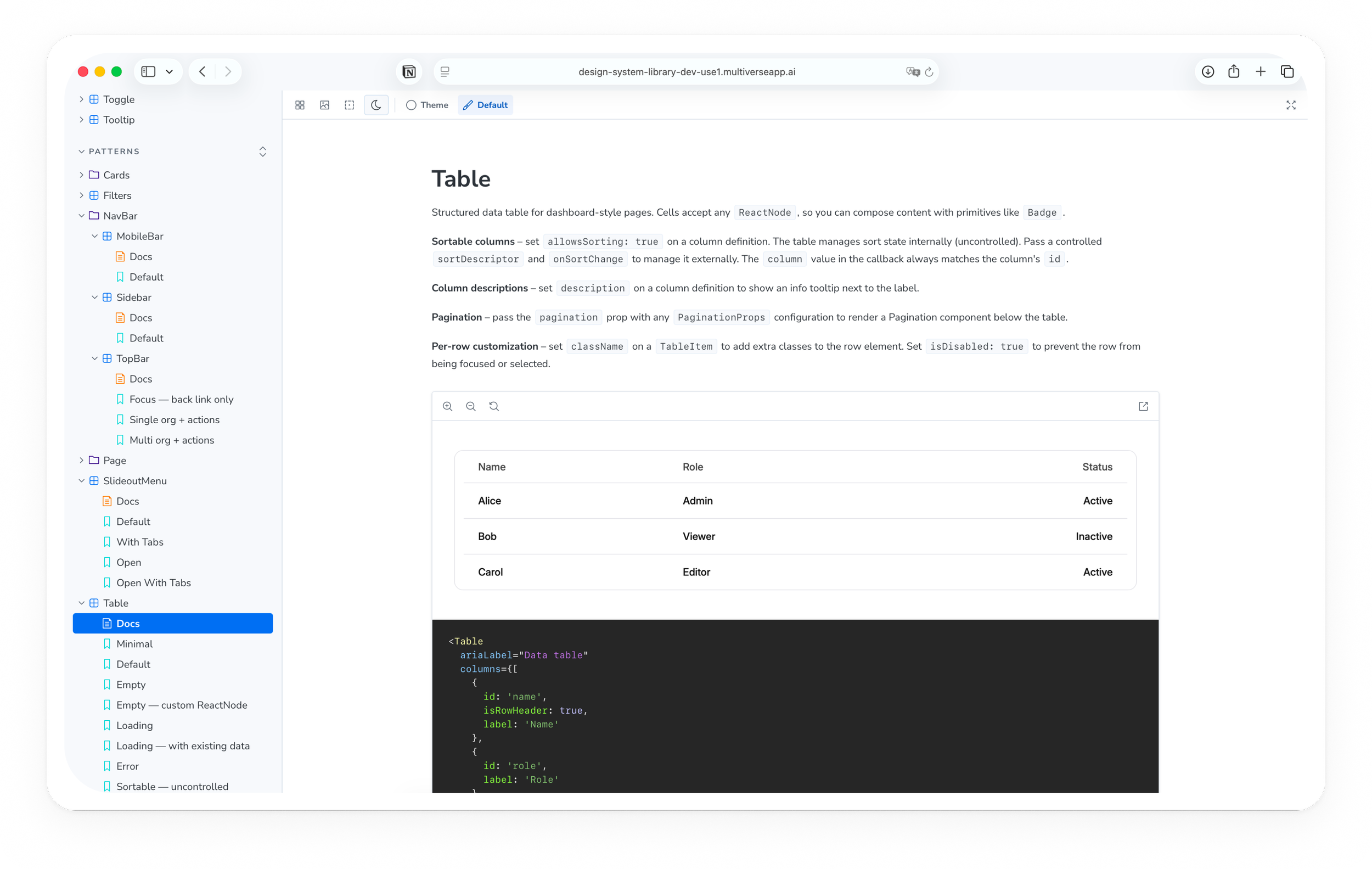
At the same time, we created a scalable multi-brand Design System for Telefónica and Multiverse Computing. Instead of building separate systems, we developed a shared foundation of components, patterns, and design tokens, allowing each brand to maintain its own visual identity while ensuring consistency across the platform.
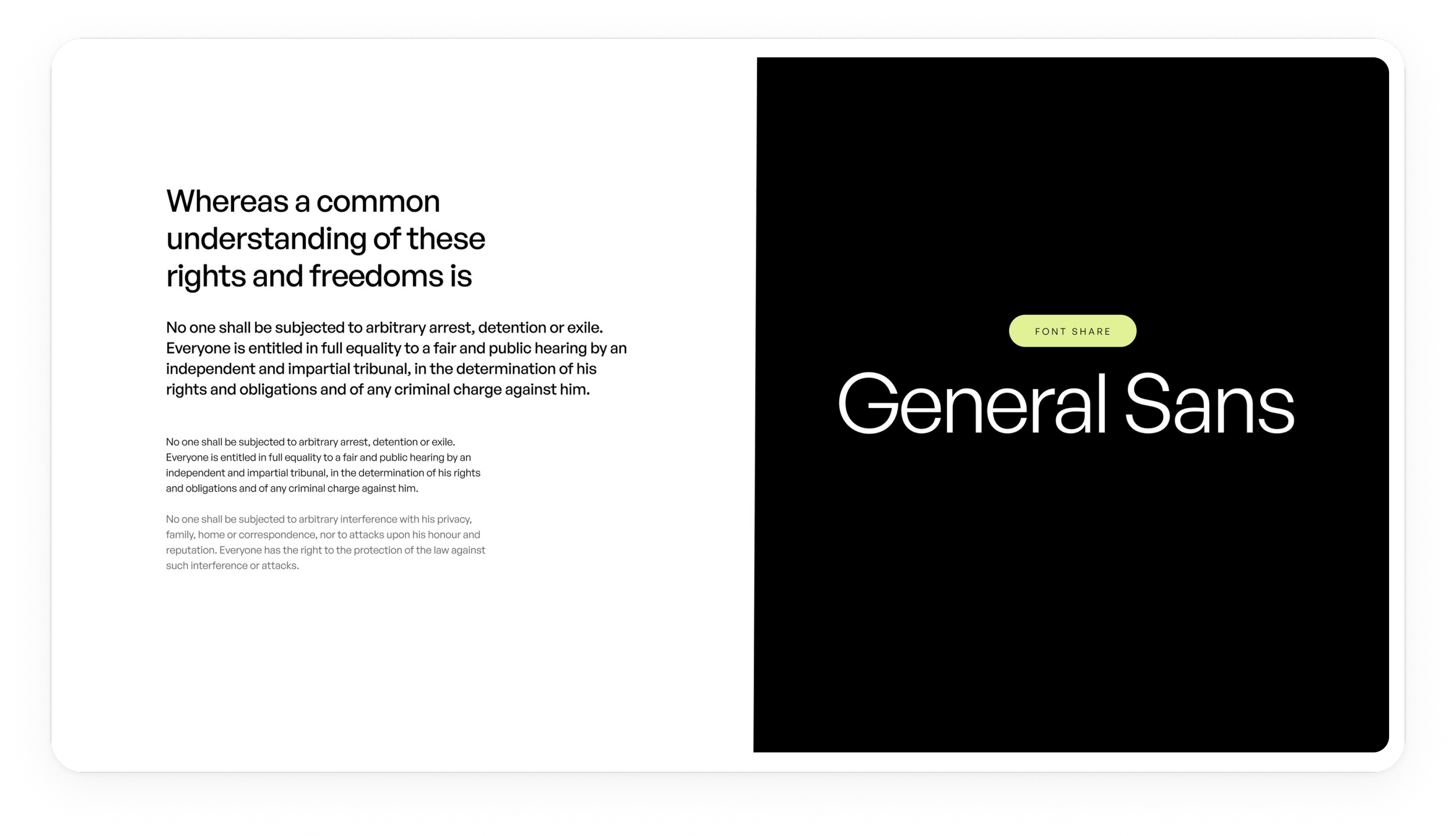
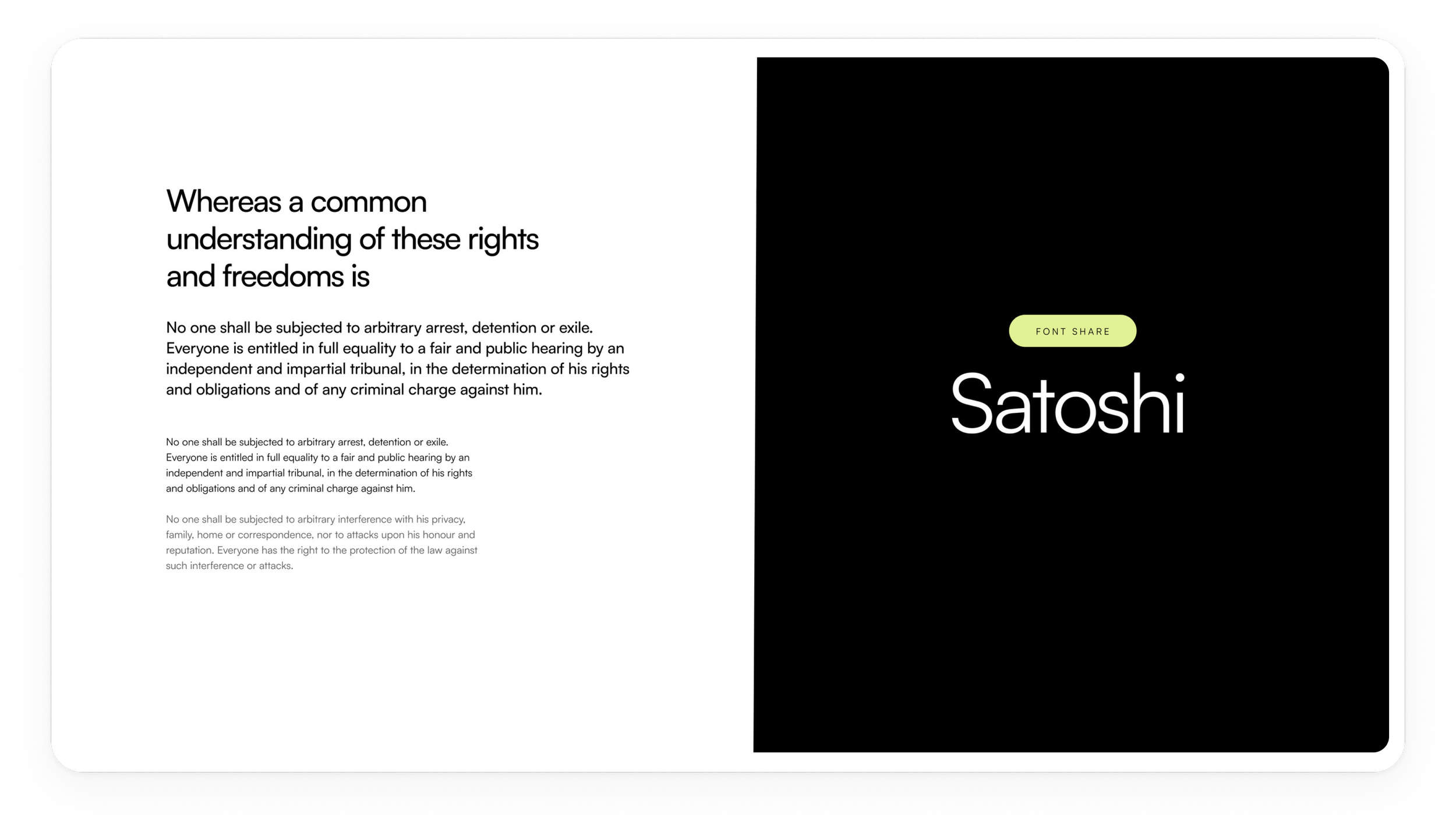
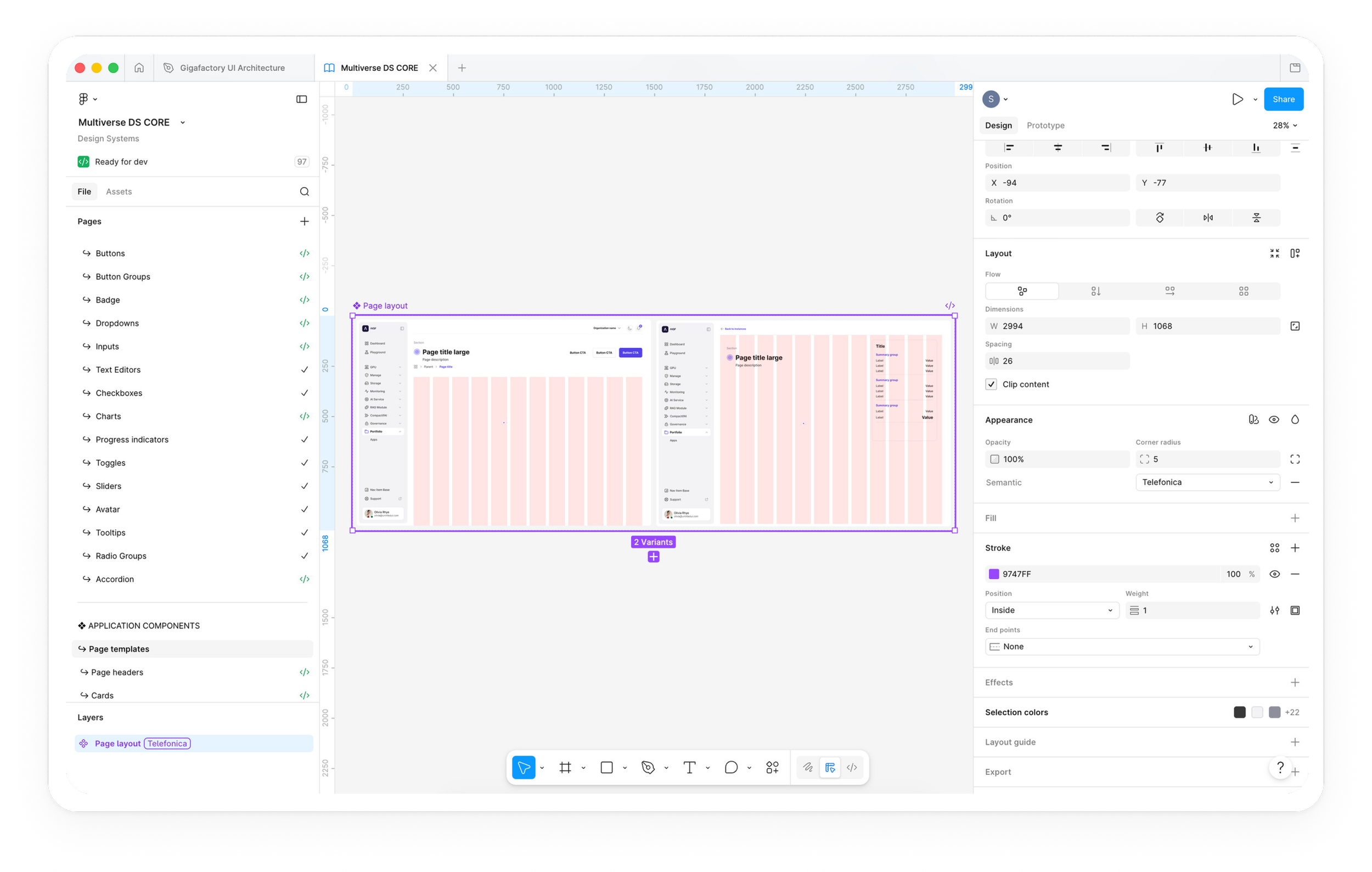
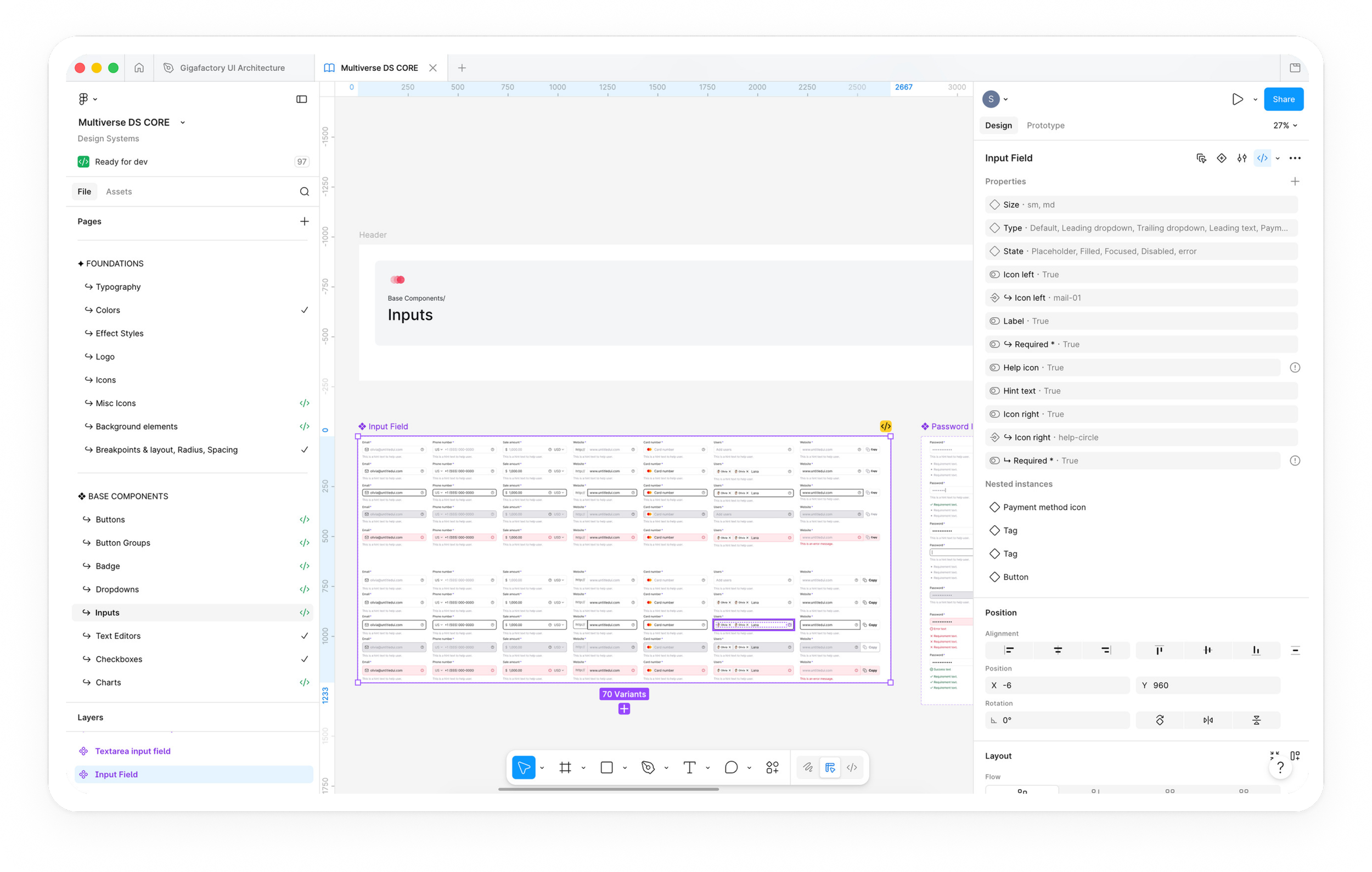
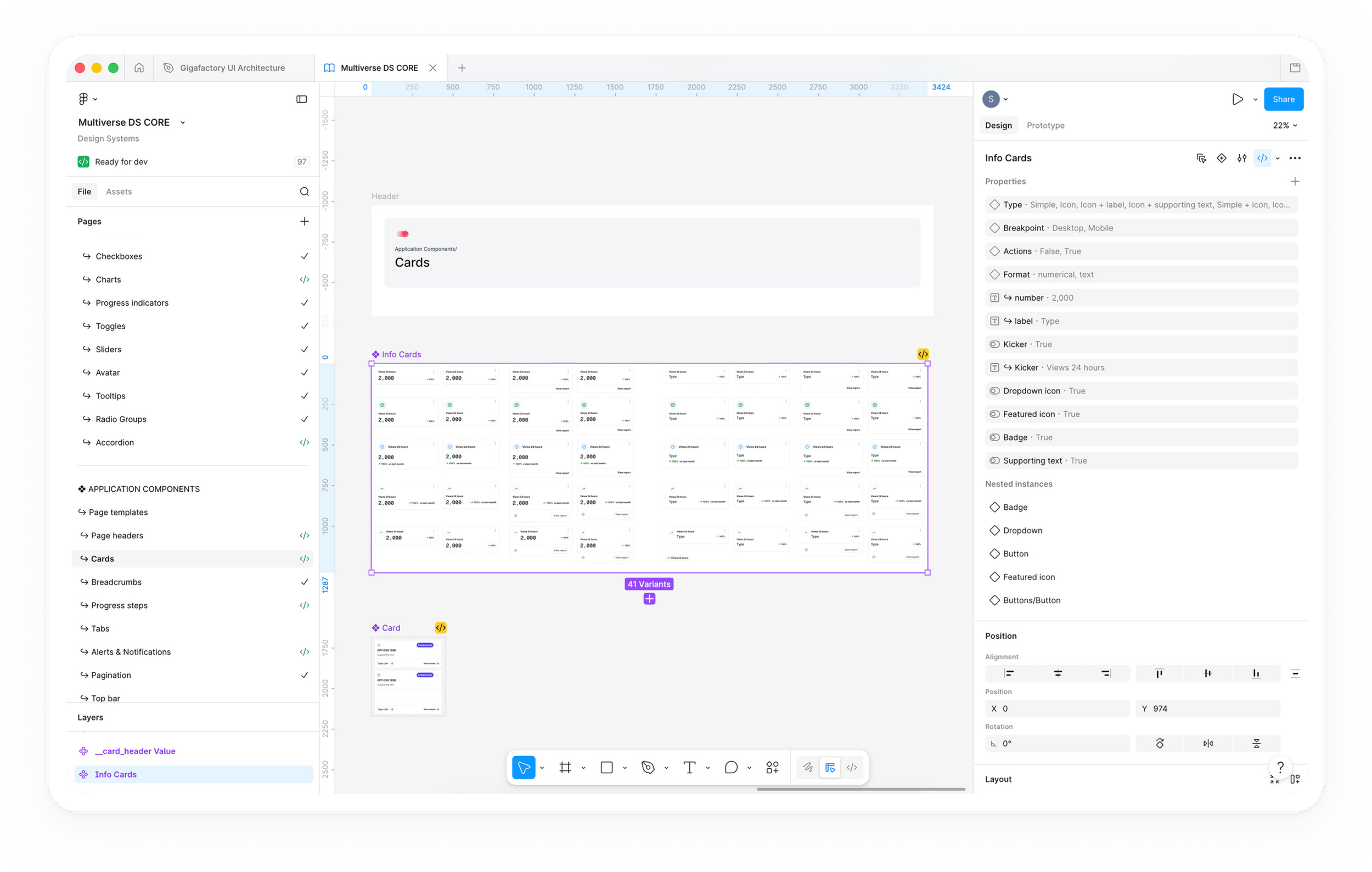
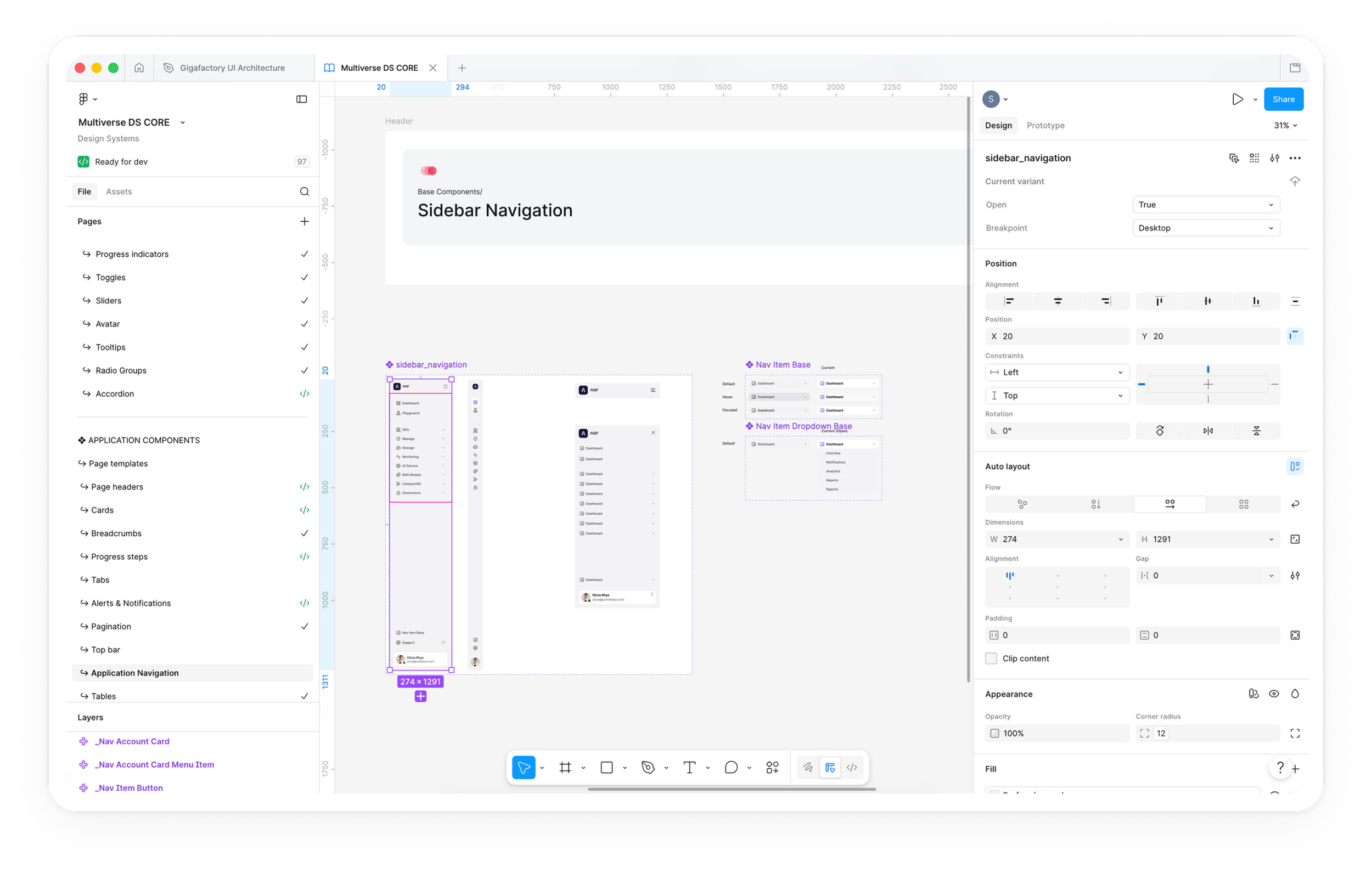
Storybook
APPROACH
Shared Design System foundation
Flexible multi-brand token system
Separated styles from components
Switched themes without rebuilding
Standardized design foundations
Ensured consistency, scalability, and WCAG compliance
Reduced duplication and improved scalability
DEV COLLABORATION
Shared foundations for spacing, typography, and sizing
Same nomenclature conventions across teams
Reduced design and development process, in terms of time
Improved efficiency, and component reuse
Wireframes
After defining the information architecture and user flows, we moved into wireframing to validate the core concepts and workflows before investing in final visual design.
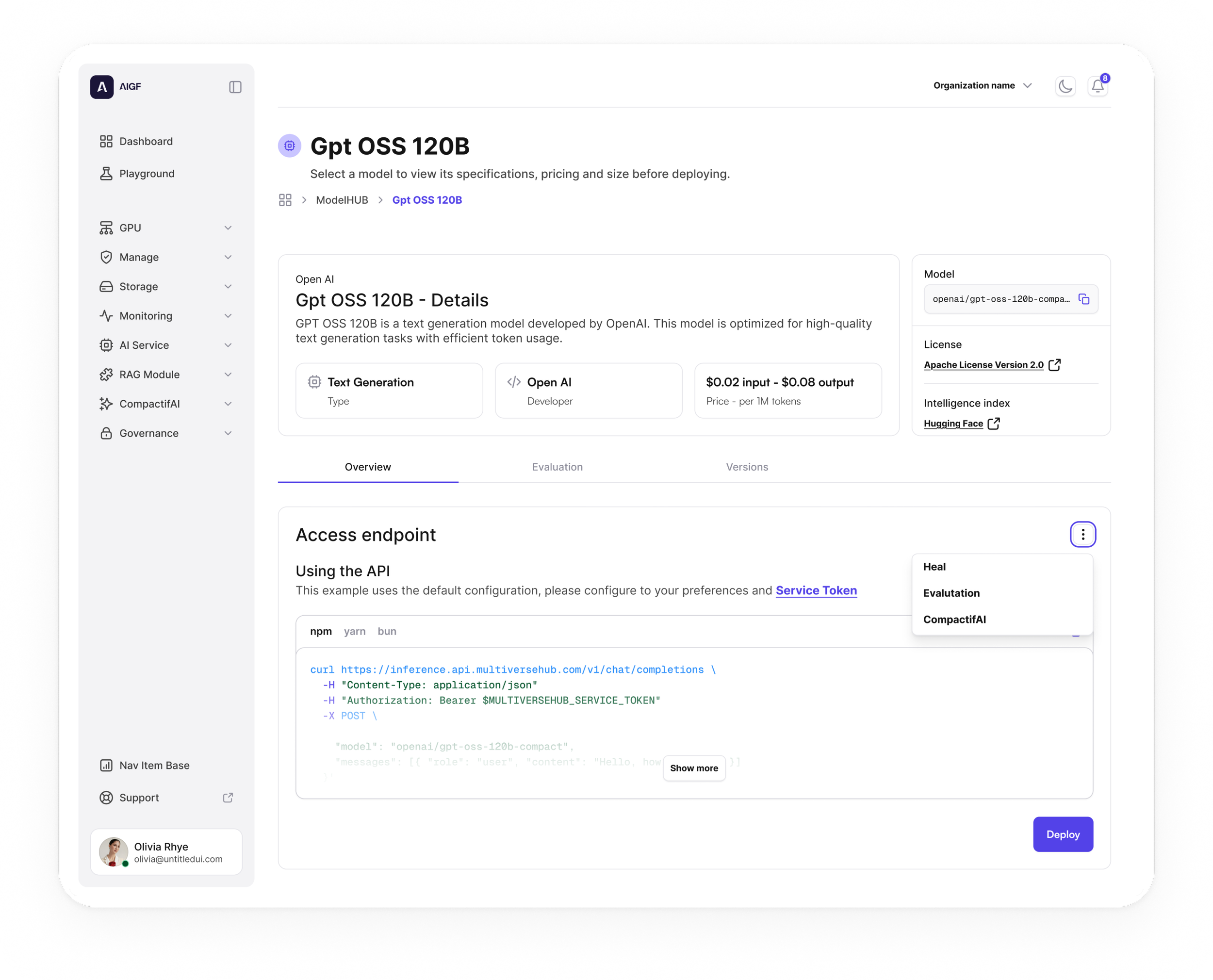
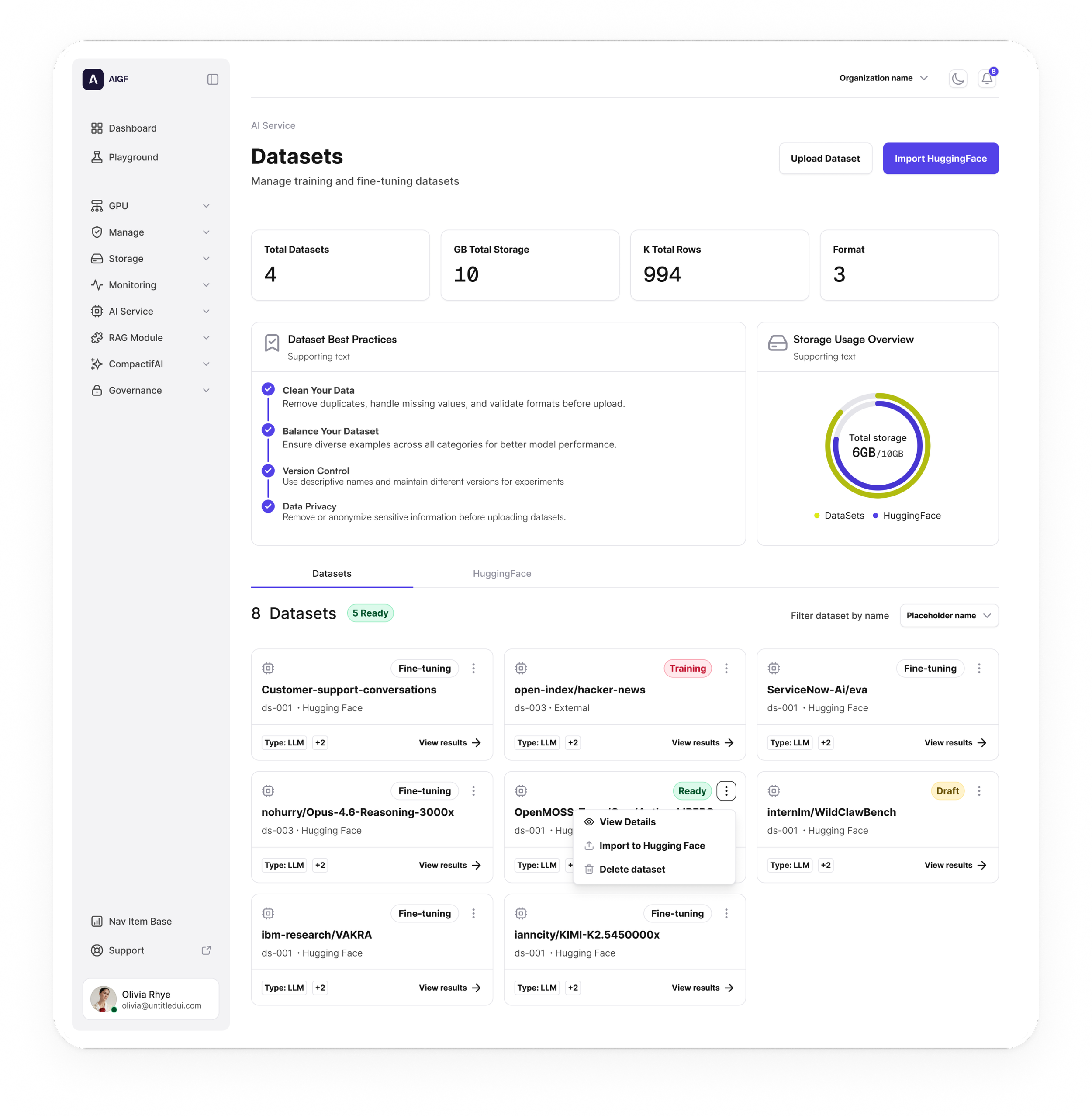
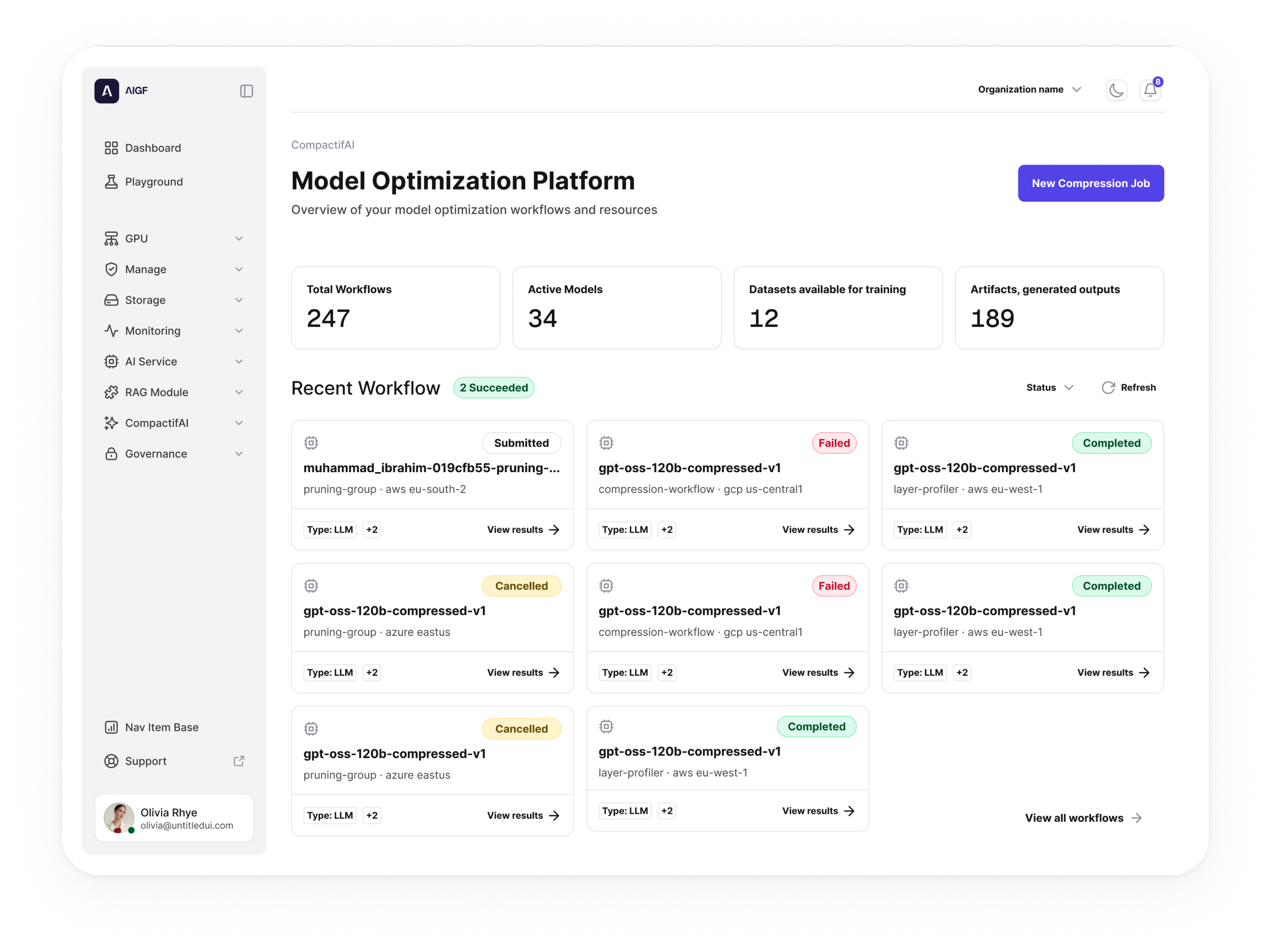
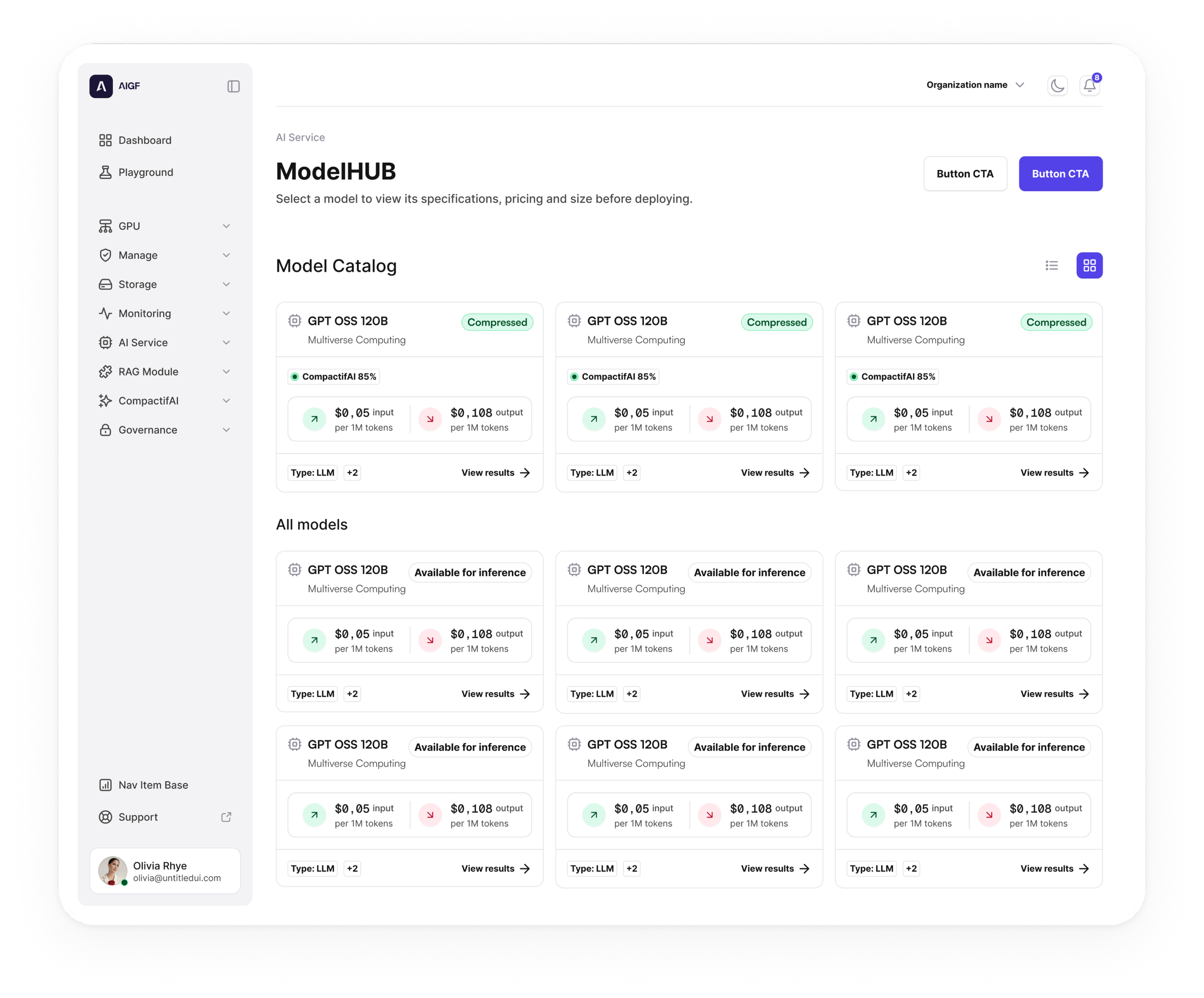
We developed high-fidelity wireframes using the Design System library, applying a consistent set of components and patterns across the platform. The designs addressed the needs of both technical and non-technical users, creating clear workflows for AI resource management, deployment, monitoring, and experimentation within a unified experience.
This stage helped us validate the product structure, identify gaps, and align the design with technical and business requirements. The goal was to bring these validated concepts together into the MVP, which was presented to stakeholders and investors to secure support and funding for the next stage of development.