CONTEXT & ROLE
Senior Product Designer — Independent / Freelance, directly commissioned by the client for a six-month engagement
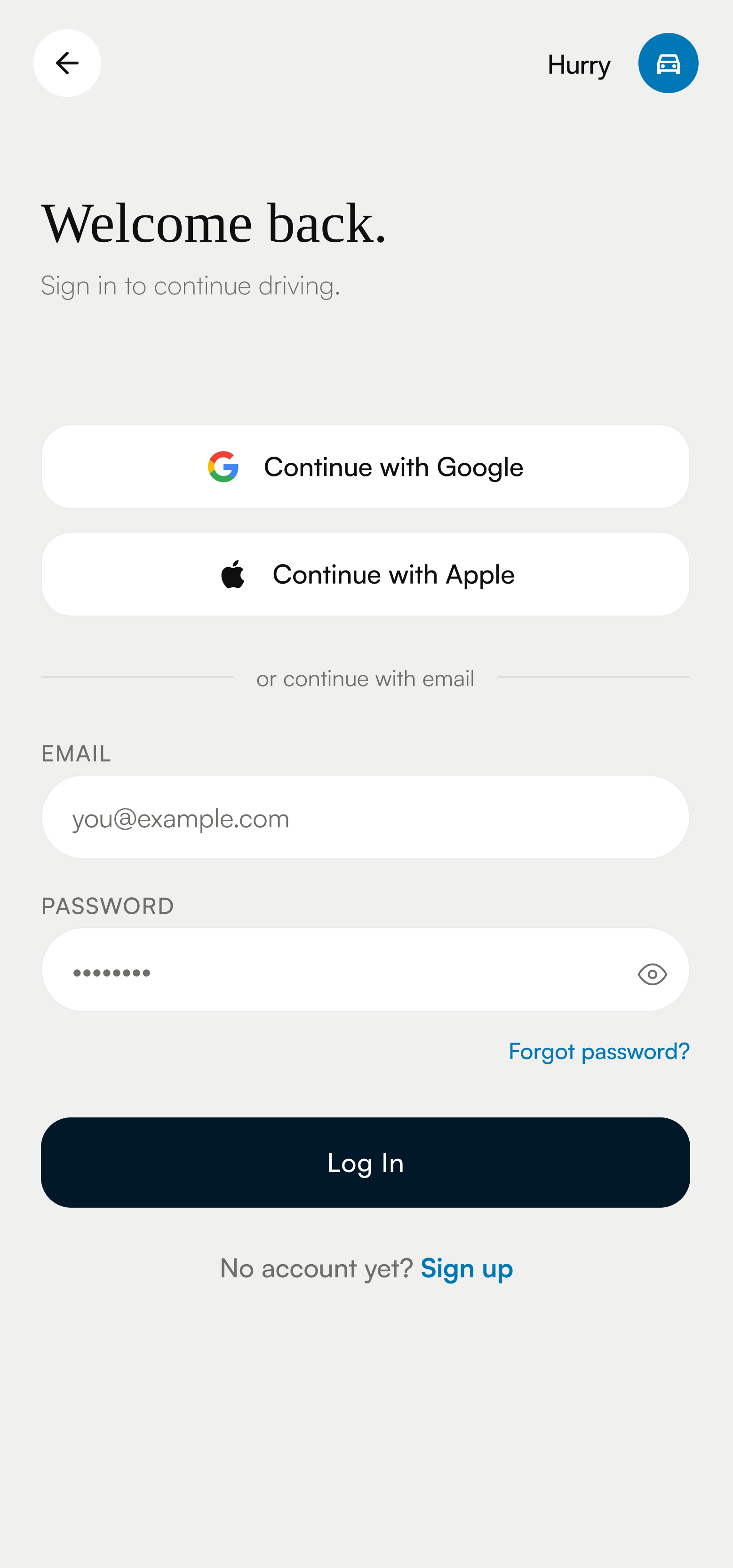
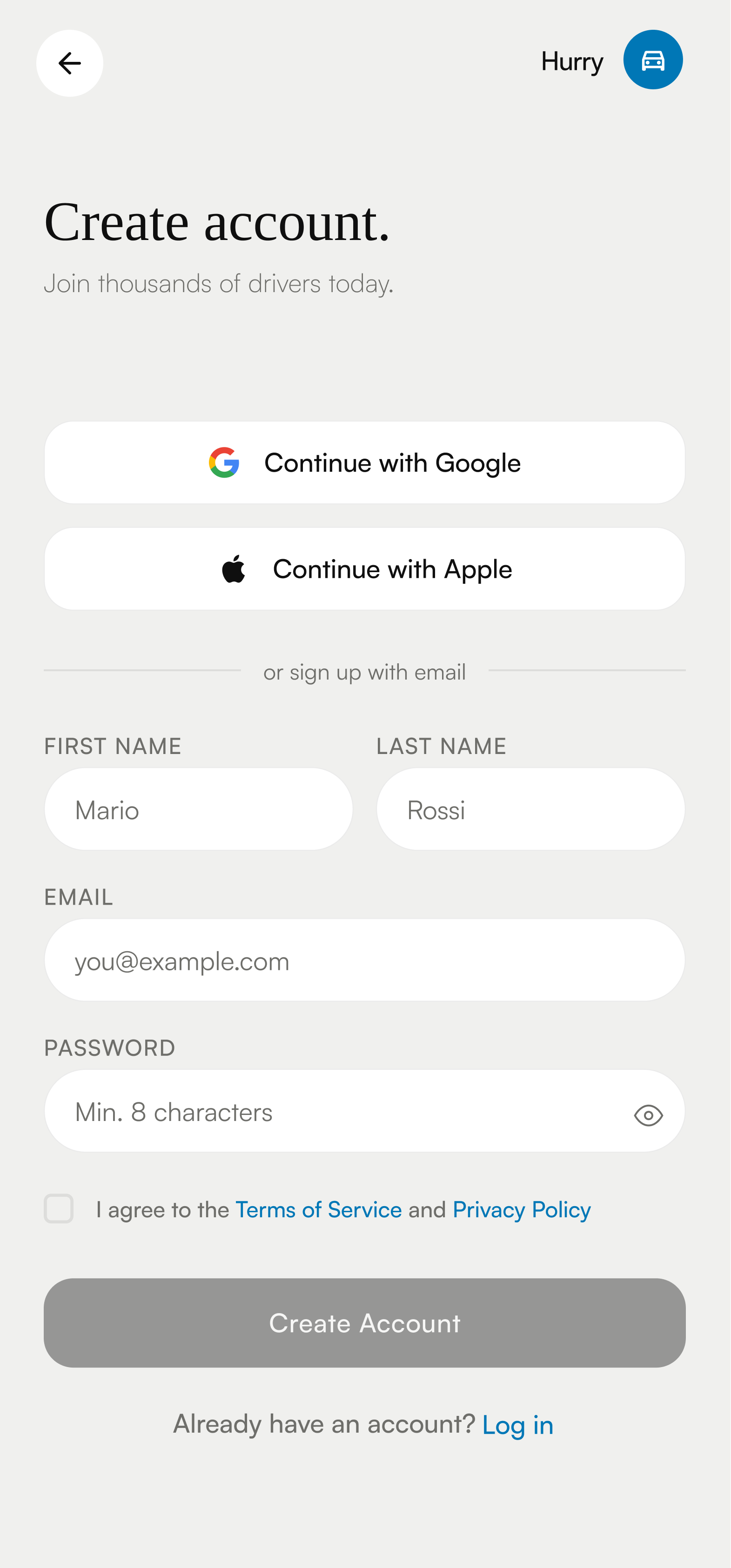
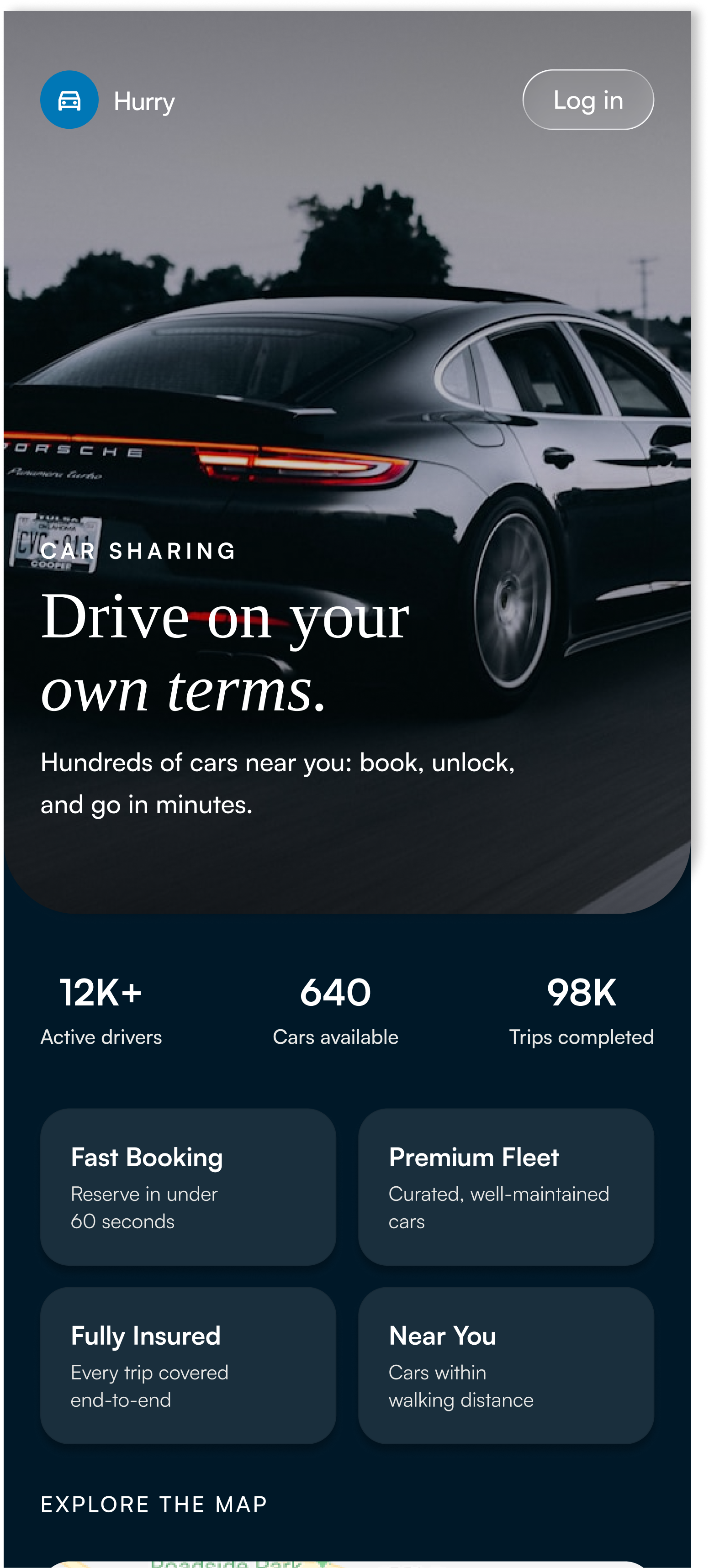
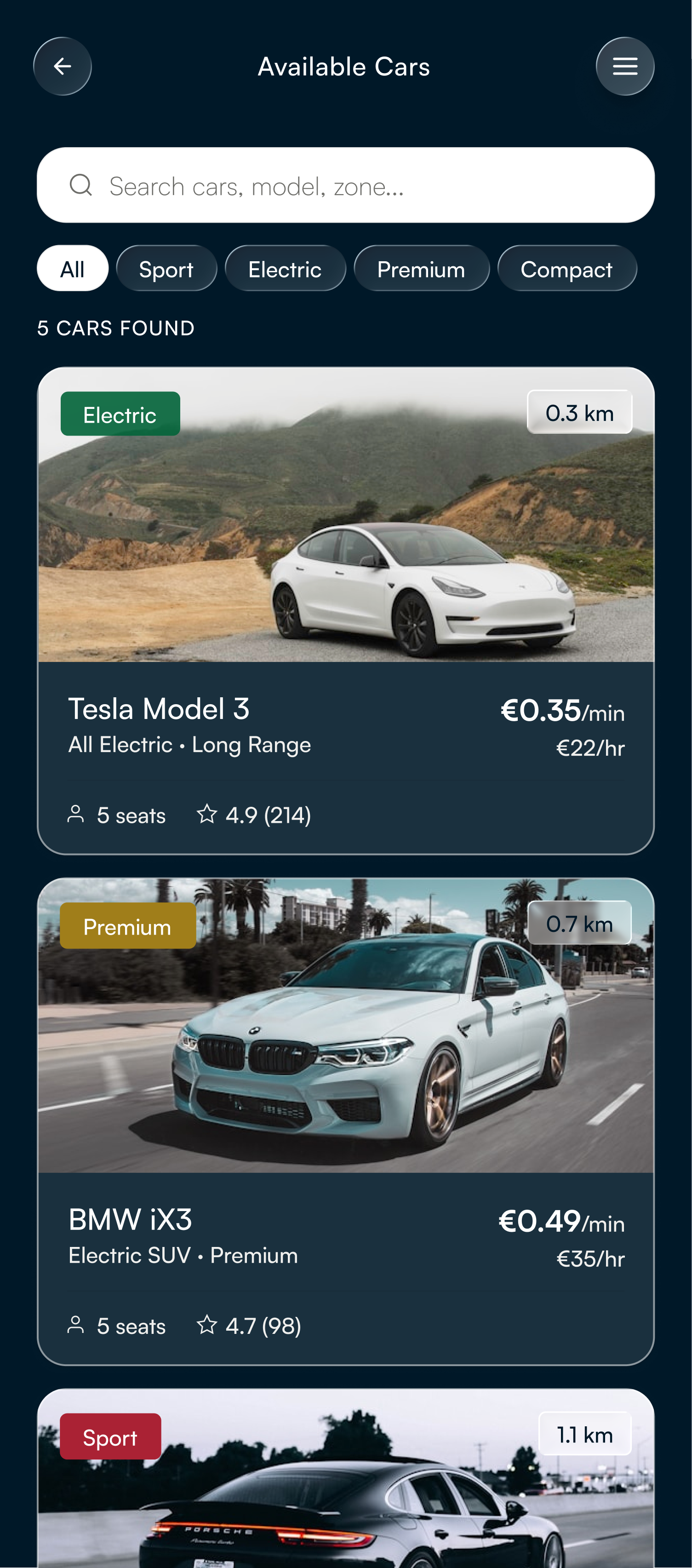
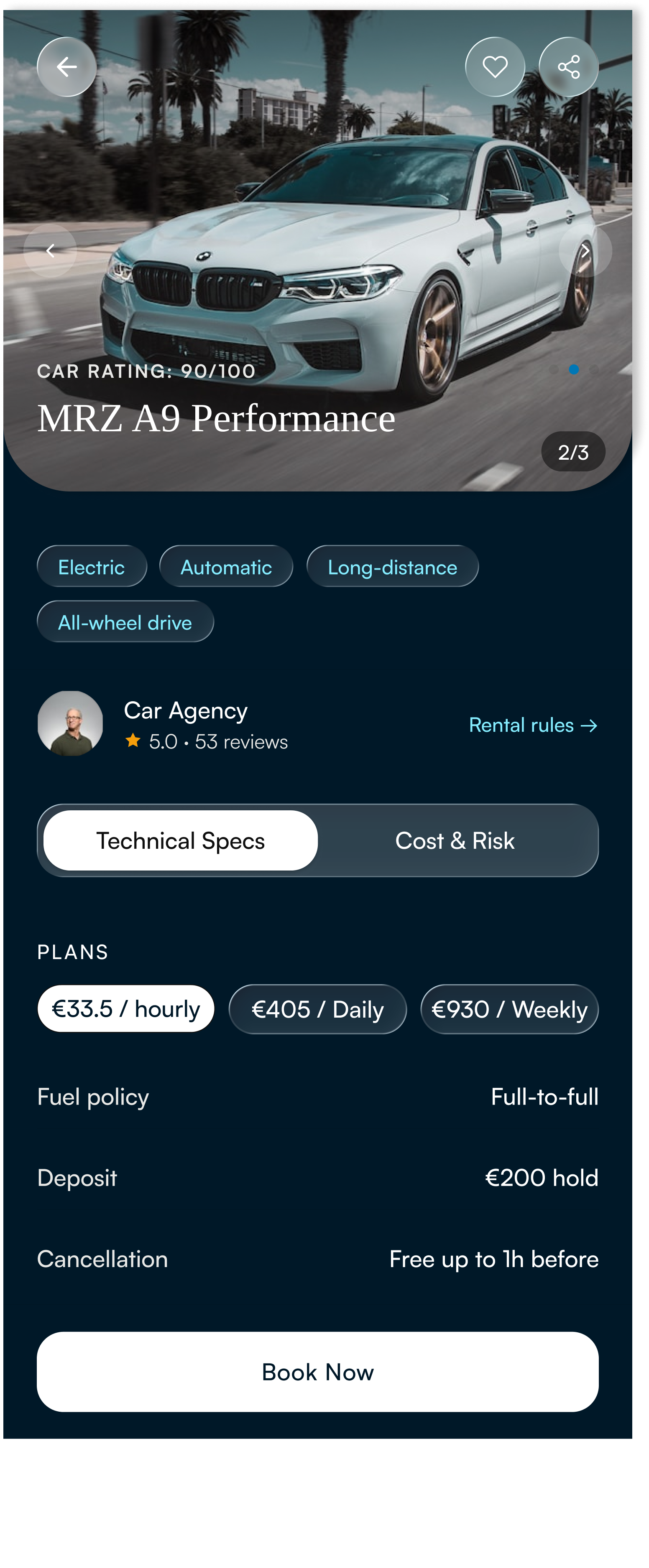
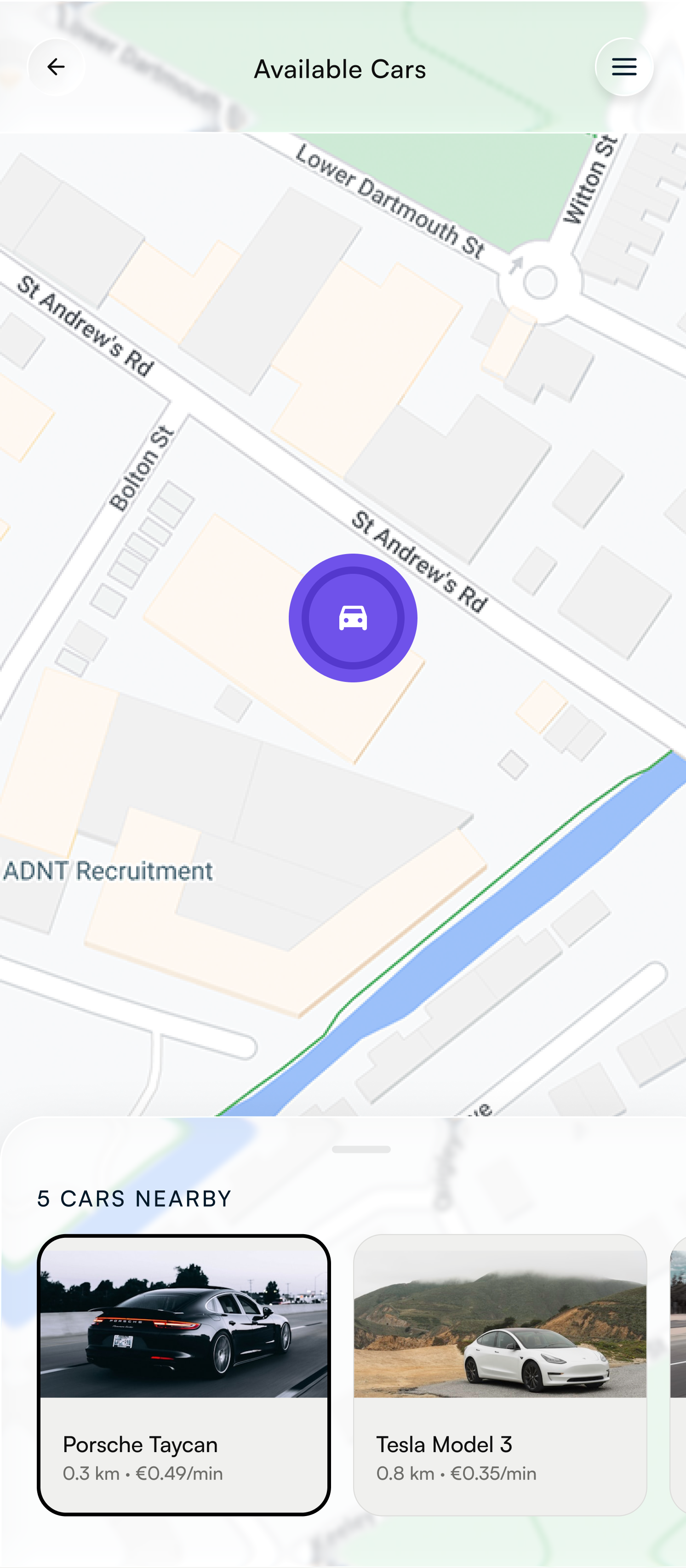
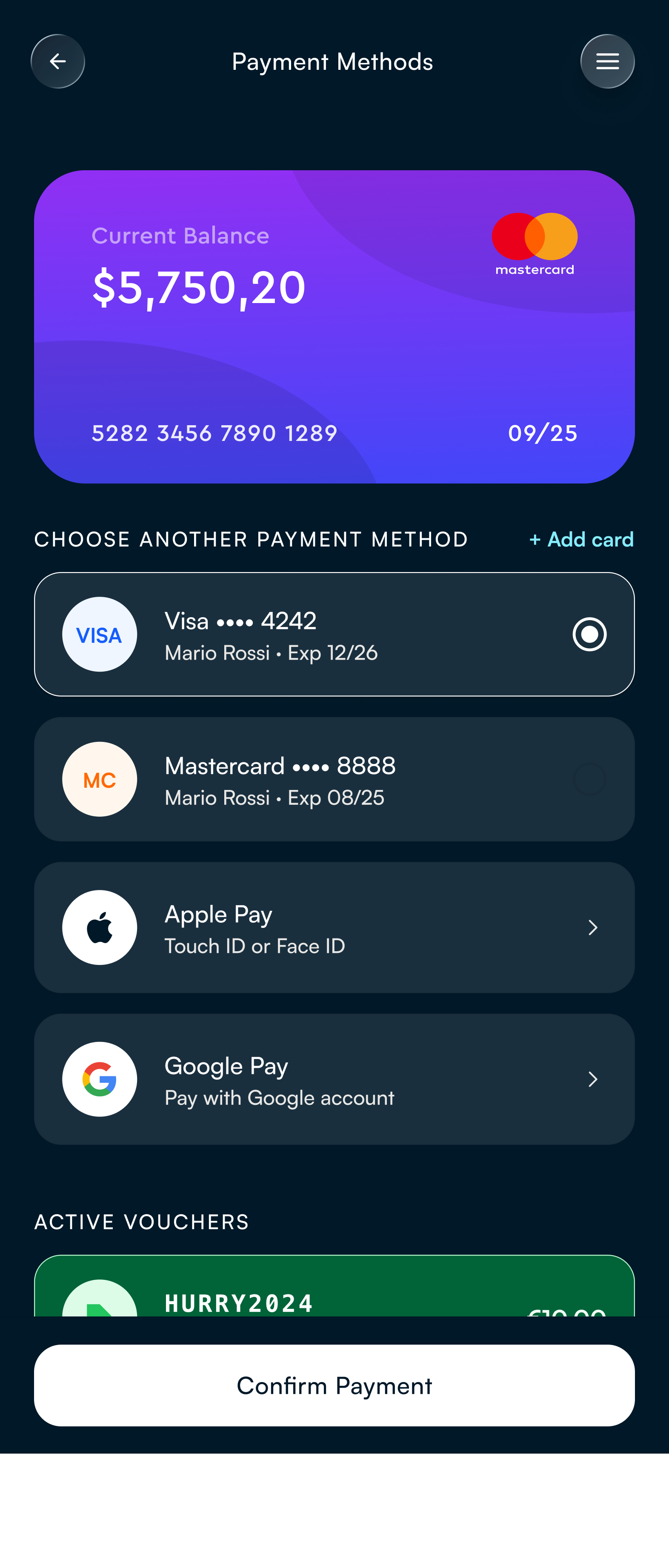
Led the UX strategy and end-to-end mobile booking experience, from onboarding and car discovery to vehicle selection and payment
Analysed existing workflows and user behaviour to identify friction, uncertainty, and conversion drop-off
Refactored the product architecture and key flows to create a clearer, more confident, and scalable experience
Moveax was entering a premium segment between traditional car sharing and conventional rental. The challenge was not simply to make booking easier, but to make users confident enough to pay a premium for a shared vehicle. The redesign focused on reducing uncertainty across discovery, vehicle evaluation, pricing, and payment, while creating a stronger foundation for future product growth.
GOAL
✓ Increase first-booking conversion
✓ Reduce abandonment during car selection
✓ Create a differentiated premium positioning
✓ Support multi-city EU expansion
✓ Establish scalable UX foundations
Design Process
Understanding trust in premium mobility
Before designing anything, I wanted to understand why someone would hesitate to pay a premium for a shared car instead of just renting or using a cheaper sharing service. I looked at how competitors were positioning themselves, and I talked to a handful of people who fit the target user profile to understand where their hesitation actually lived, was it about price, about not knowing what car they'd get, about the payment process feeling risky?
What I kept hearing wasn't really about the interface being hard to use. It was more that small inconsistencies a missing detail about the car, pricing that wasn't fully clear upfront, anything that felt slightly "off", made people read the whole service as less reliable. In a premium context, that's dangerous, because you're asking someone to trust you more than they would with a budget option, not less. So I reframed the brief in my head: this wasn't a usability problem to fix, it was a trust problem, and every screen needed to actively earn that trust rather than just get out of the user's way.
That framing is also backed by research: trust doesn't directly drive whether someone adopts a shared-mobility service, but it functions as a necessary precondition without it, nothing else matters. That gave me more confidence that I wasn't overthinking a small signal it's a known pattern in this category, not just something specific to Moveax
Premium means less effort, not more features
The interface should reduce decision-making, not increase perceived sophistication through complexity.
Speed should never compromise confidence
Fast discovery matters, but users still need enough information to commit to higher-value bookings. These principles became decision criteria throughout the project.
Designing the booking journey
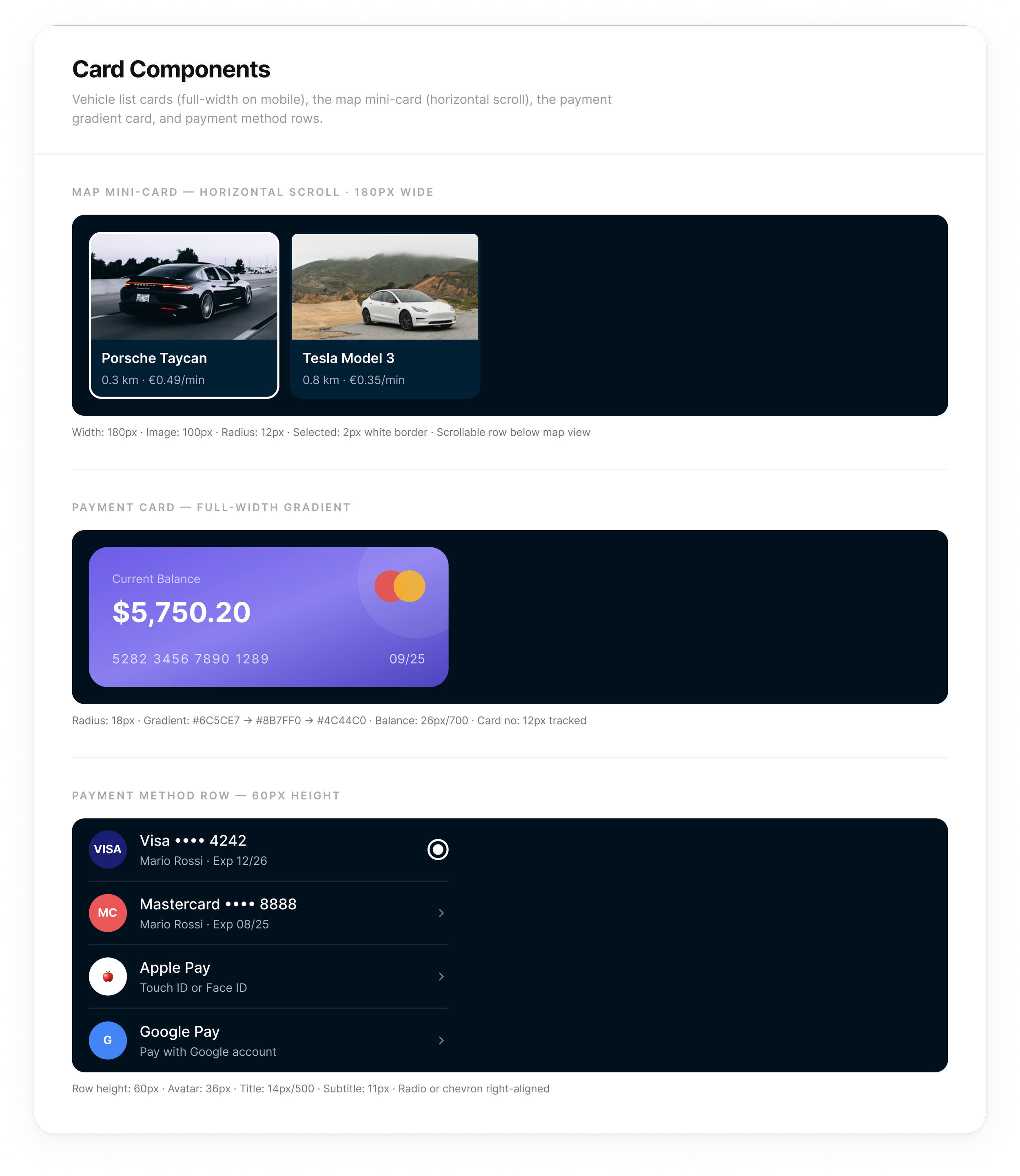
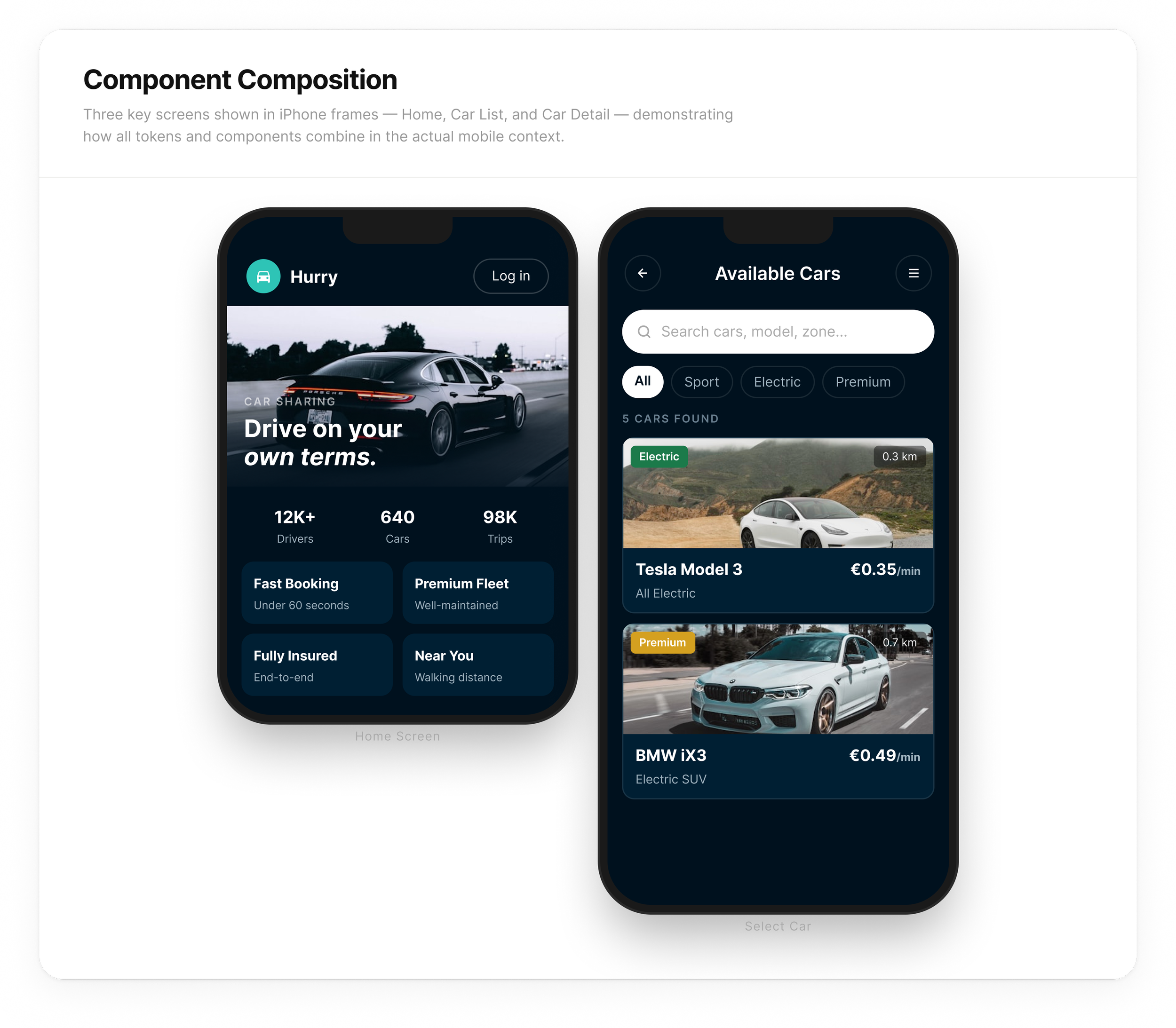
With the principles defined, I designed the architecture around the critical conversion path:
Onboarding → Discovery → Vehicle validation → Payment → Booking
The objective was to progressively increase commitment while progressively reducing perceived risk.
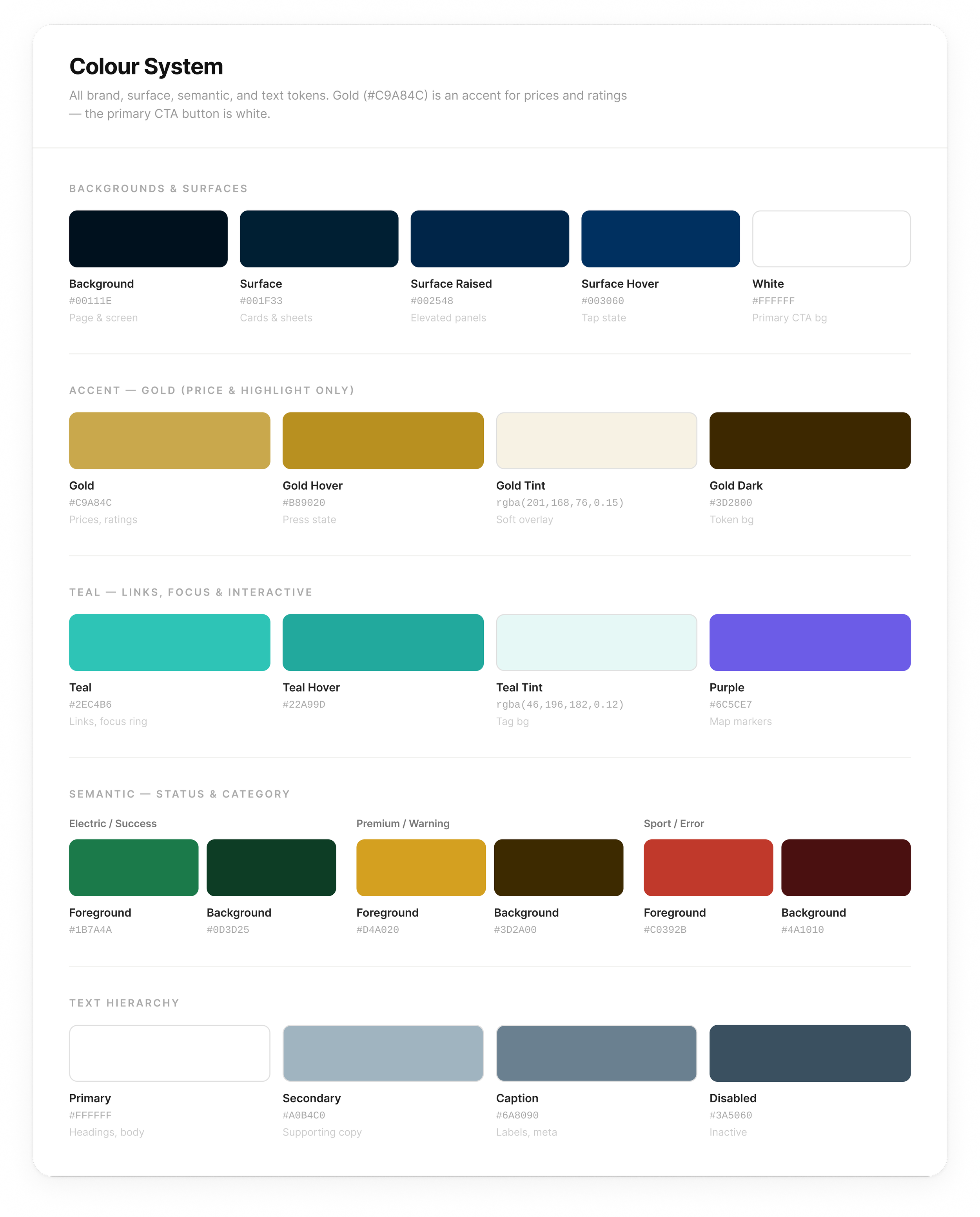
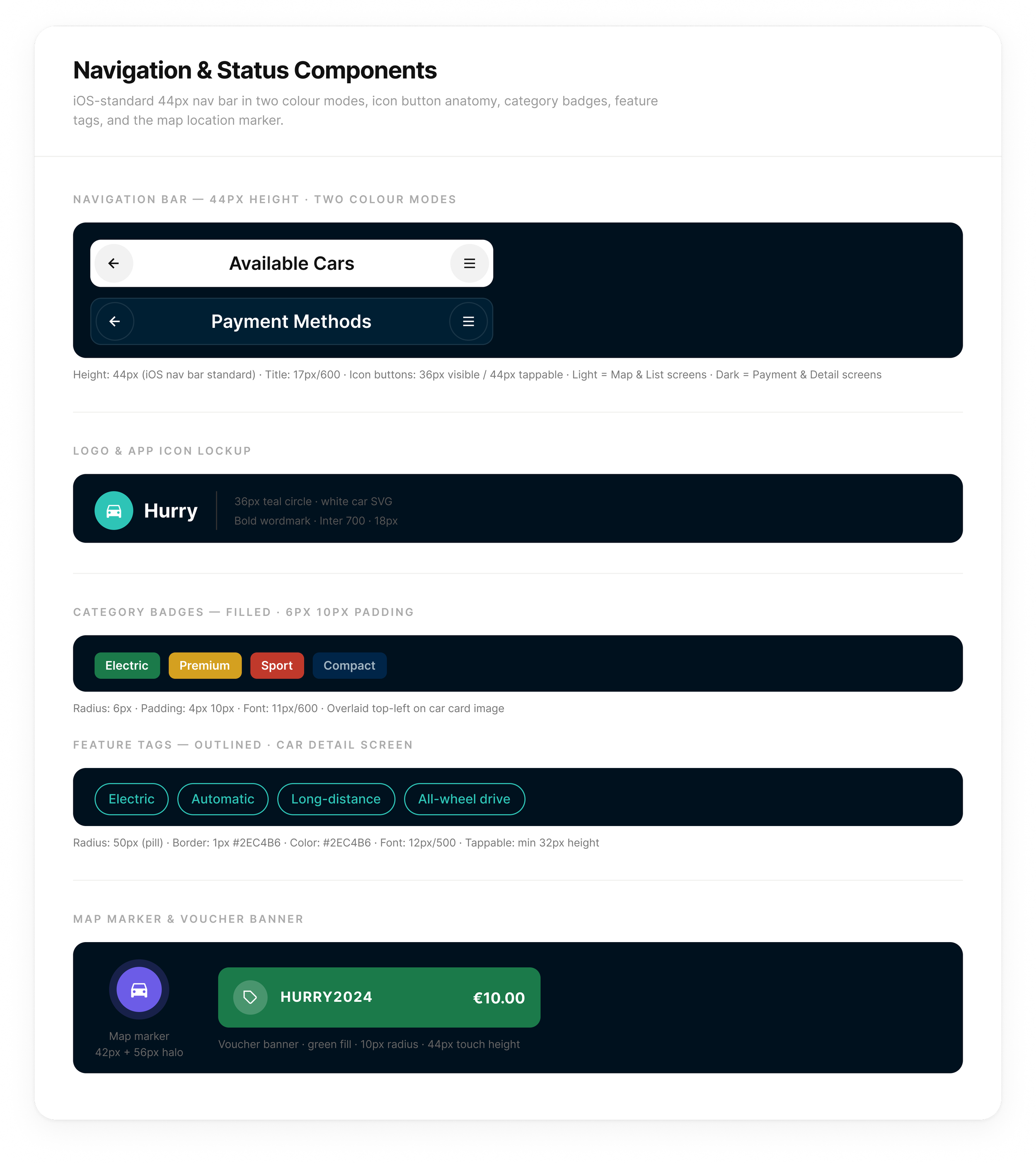
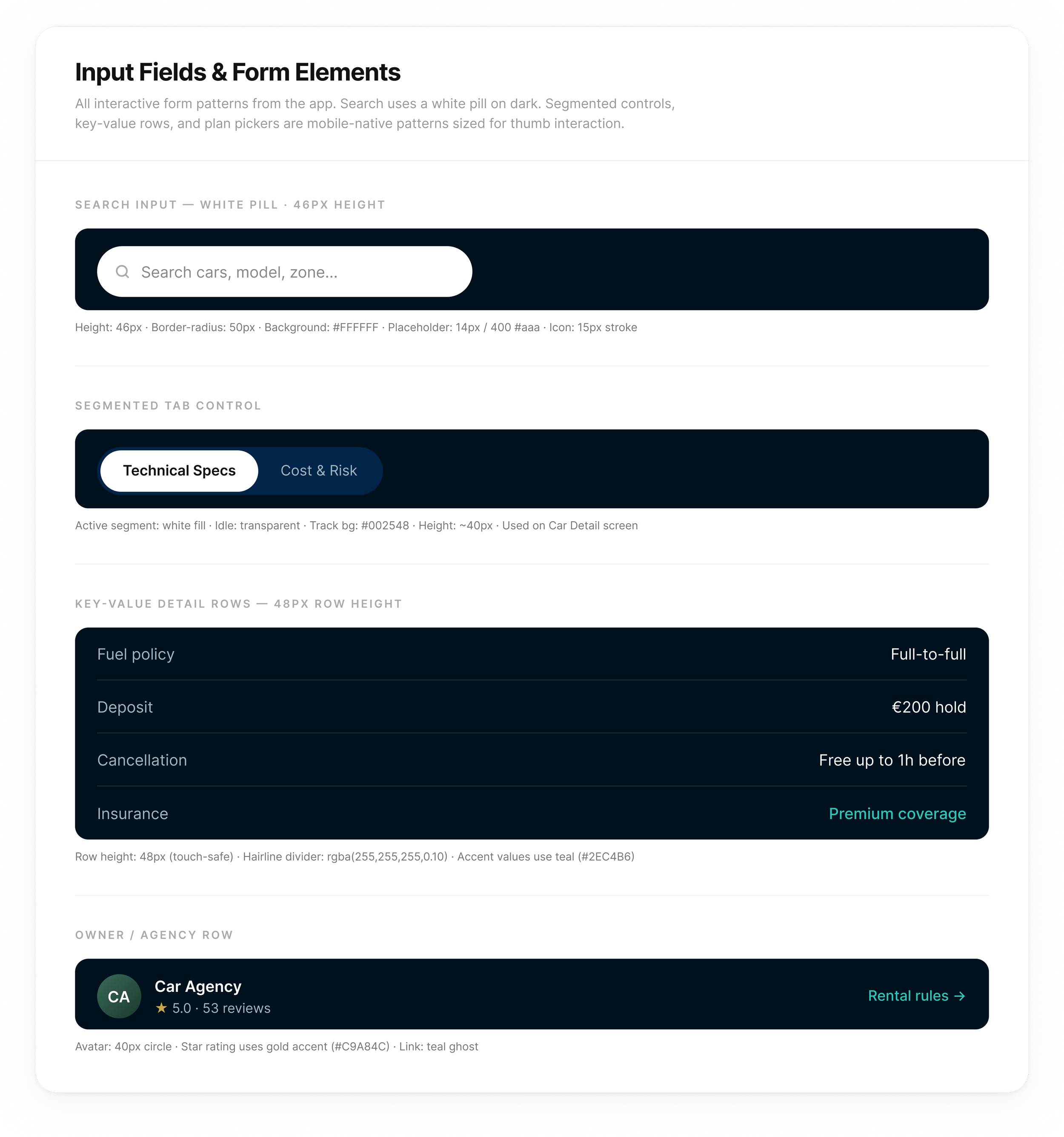
Validating and identifying opportunities
Once I had a working prototype, I tested it with 6 participants, focusing on the core booking journey rather than visual preferences. I observed how easily they could find a car, understand the pricing, evaluate the booking details, and complete payment without additional explanation.
The core flow performed well: most participants were able to find a suitable vehicle and understand the pricing without major friction. The more interesting opportunities appeared around the edges of the journey. After completing a booking, users had limited confirmation about what would happen next, creating uncertainty at an important moment of commitment. Empty states also lacked clear guidance when no vehicles were available.
The testing therefore didn't reveal major usability failures. Instead, it highlighted opportunities to strengthen reassurance, post-booking communication, and recovery states—extending the feeling of confidence beyond the moment of conversion.
Outcome
The MVP established a validated foundation for Moveax’s premium mobility experience and provided a clear direction for future product development. User testing validated the core flow and highlighted key opportunities for the next iteration, addressing the project goals and helping the team confidently move forward with product development.
Reflection
This project reinforced that a premium experience is built through clarity, consistency, and trust—not visual polish alone. I learned to embed reassurance directly into key interactions, especially where users face uncertainty. If developed further, I would focus on post-booking flows, confirmation states, and retention to extend this experience beyond conversion.