Design Systems Methodology
Driving Strategy, Collaboration, and System Architecture
CONTEXT & ROLE
Senior Product Designer, embedded across four client engagements during my tenure: Bari Music, RTÉ Player, AlJazira SMART, and SAIB
Owned design system strategy and component architecture for each product, working closely with engineering and product teams to evolve fragmented UI patterns into consistent, scalable systems
This case study documents the methodology behind my design systems work, adapting the process to four distinct contexts: a local music festival app, a broadcast streaming platform, and two multilingual RTL/LTR banking products
Design Process
1. Strategic Foundation & UX Architecture
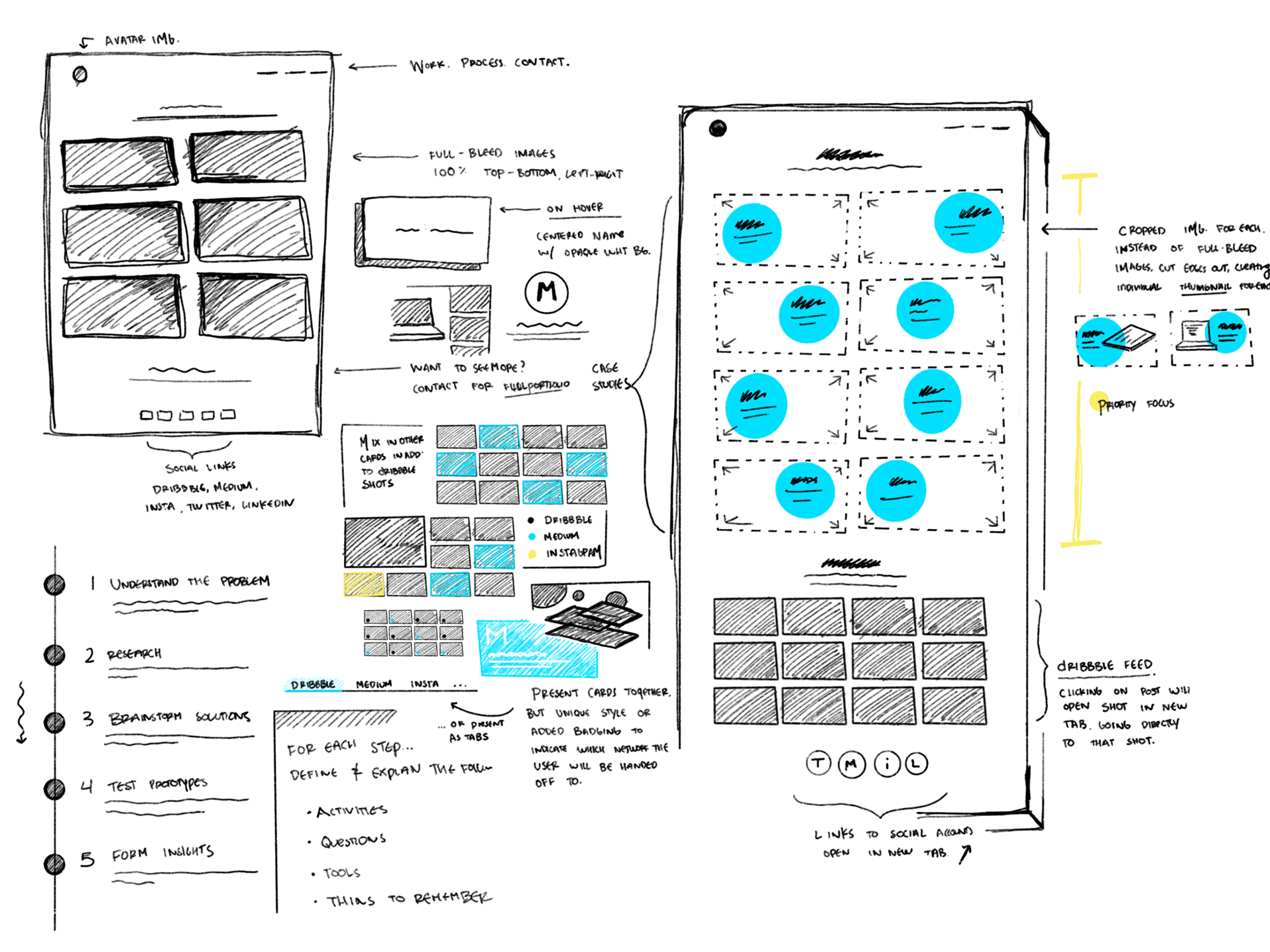
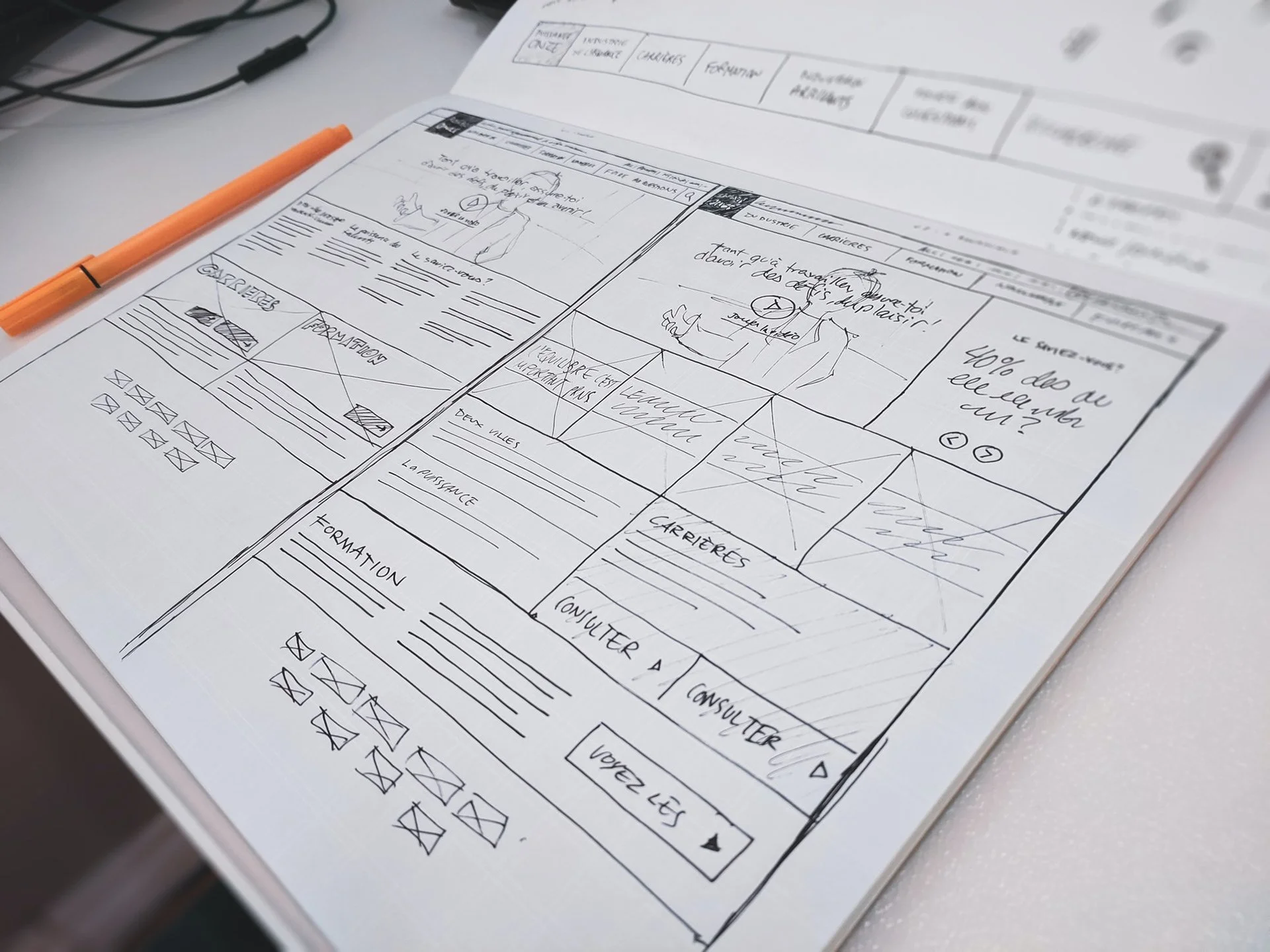
A design system begins with product architecture, user behaviour, and business requirements, not just UI components. I first map core user flows, information architecture, and recurring interaction patterns to identify where standardisation can improve consistency, scalability, and delivery efficiency. For Bari Music, an early usability audit identified redundant patterns and layout inconsistencies while revealing distinct needs across local attendees and festival visitors. For RTÉ Player, close collaboration with stakeholders, product, and engineering teams shaped the information architecture and content hierarchy that later informed the system’s component structure. At this stage, key structural decisions, including navigation, CTA hierarchy, colour architecture, light/dark mode parity, and component relationships, are resolved before moving into low-fidelity wireframes. This ensures the design system is built around real product requirements rather than isolated UI elements.
2. Component Architecture & Multi-Platform Parity
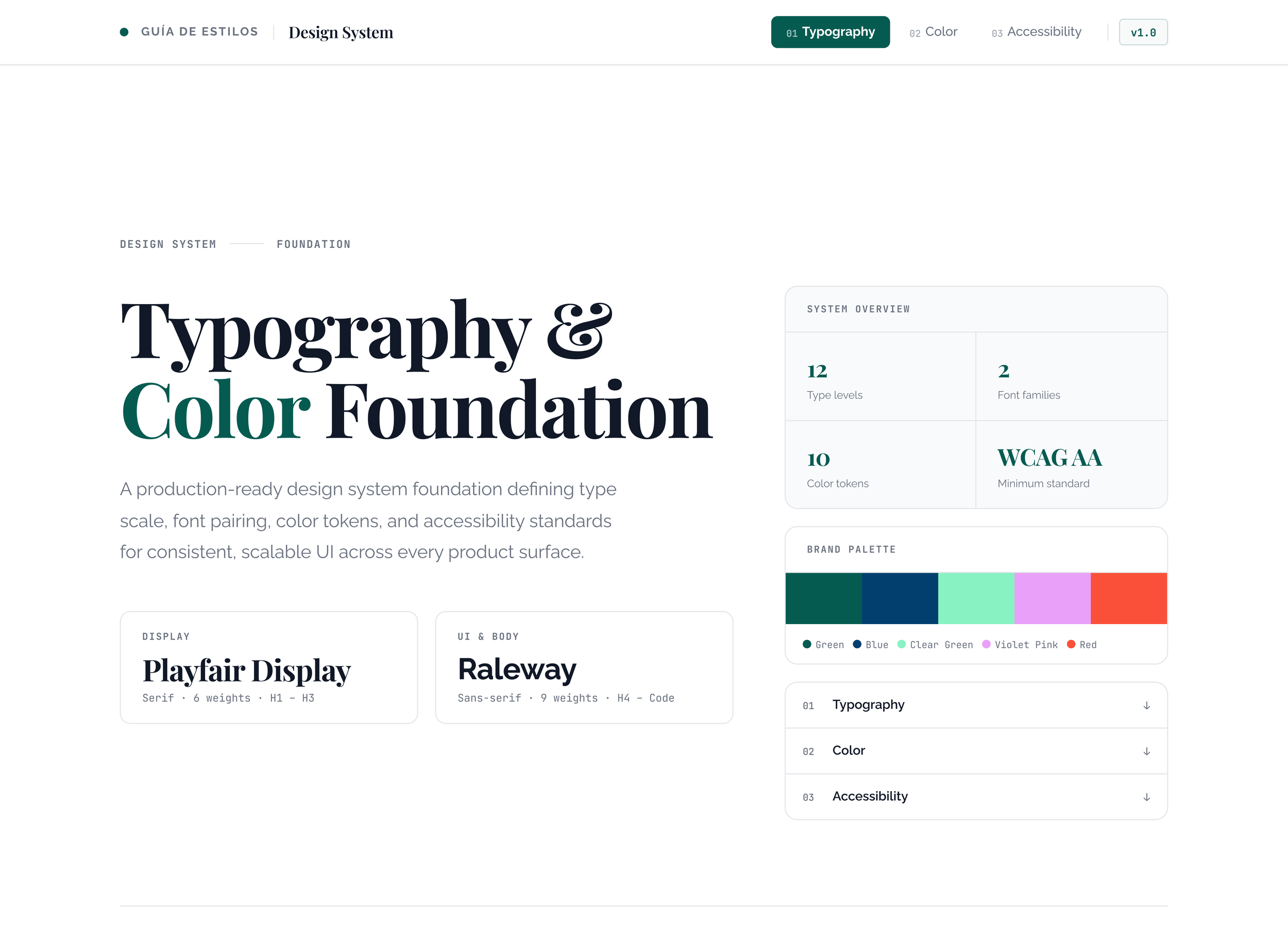
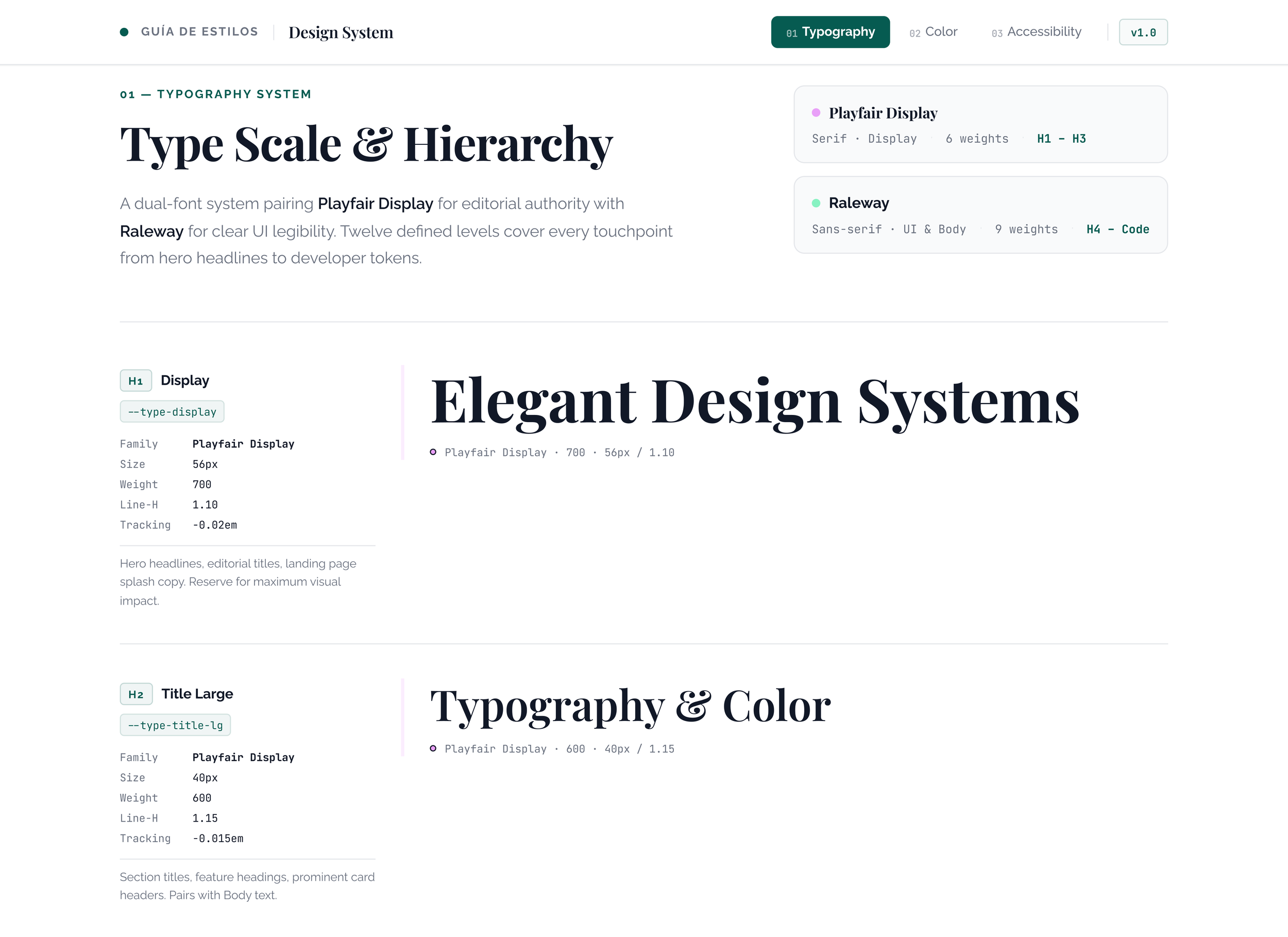
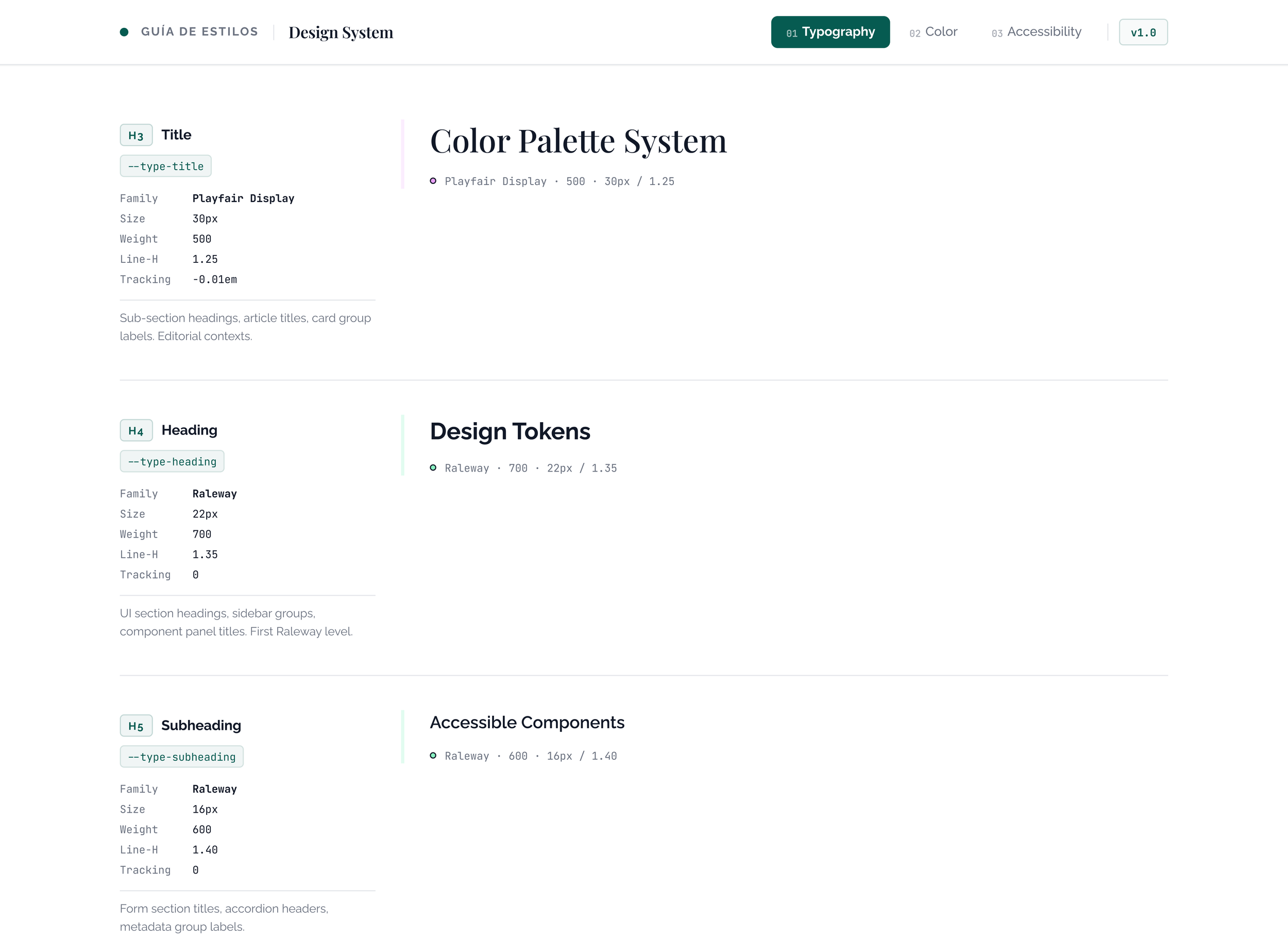
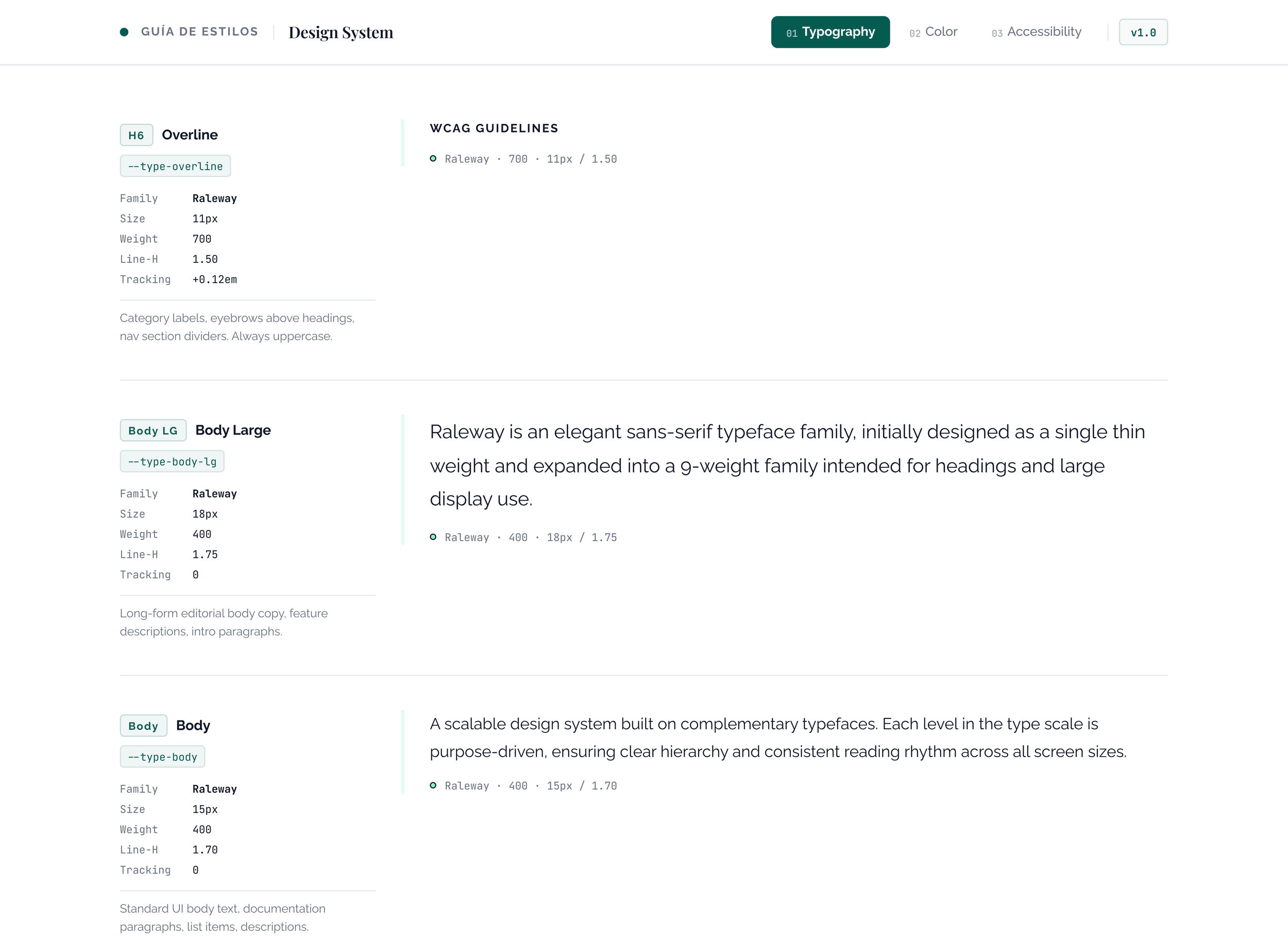
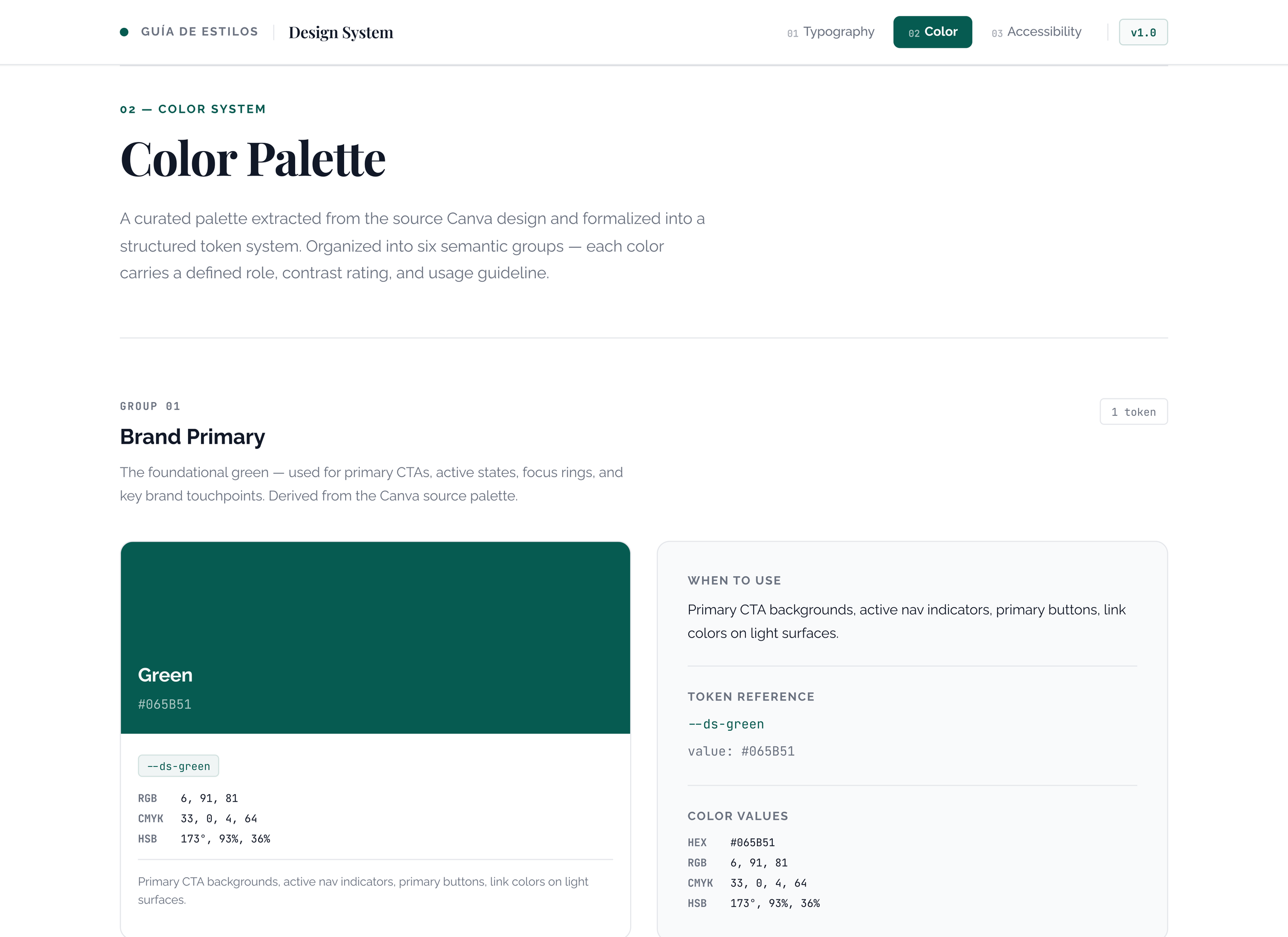
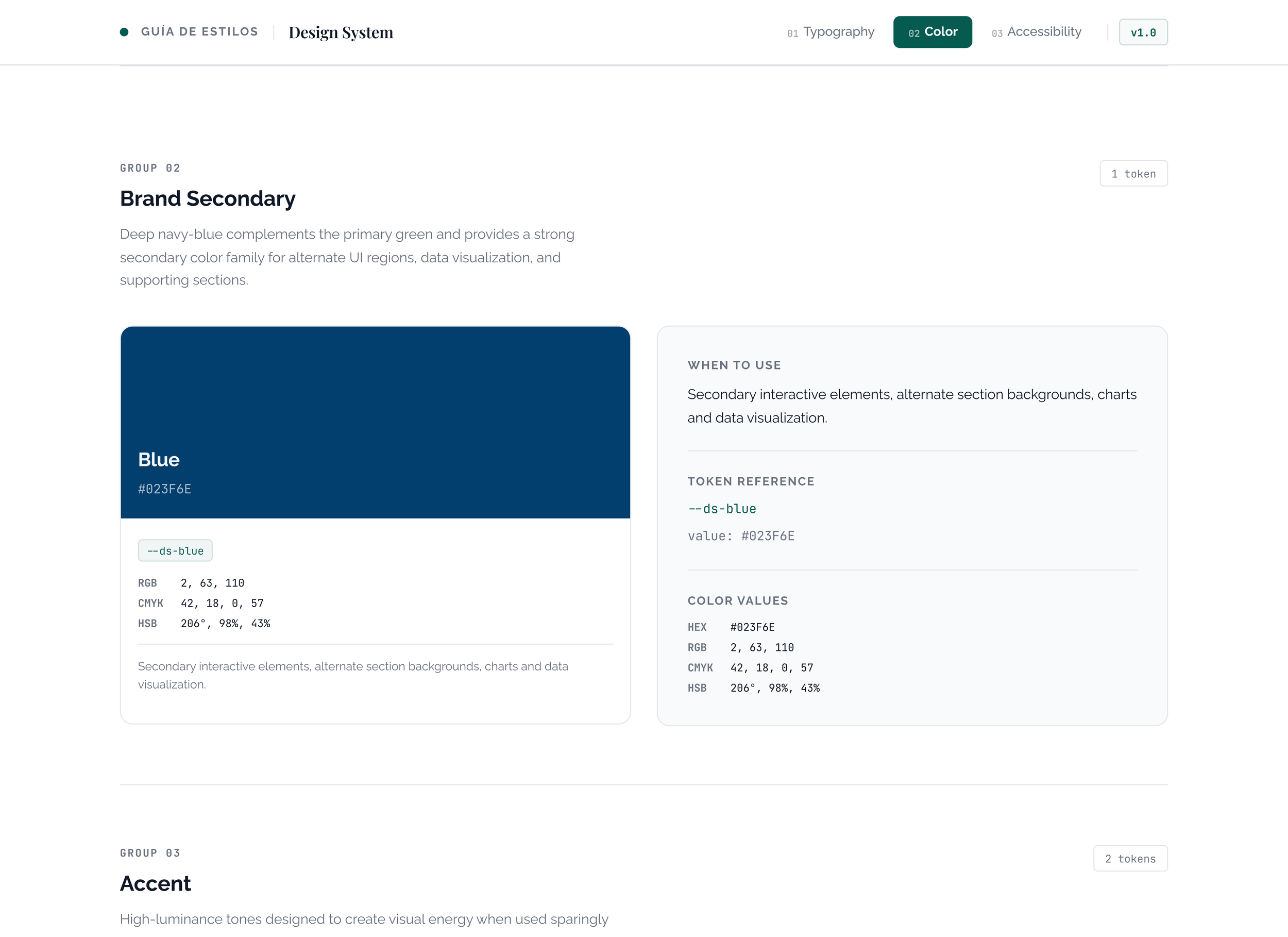
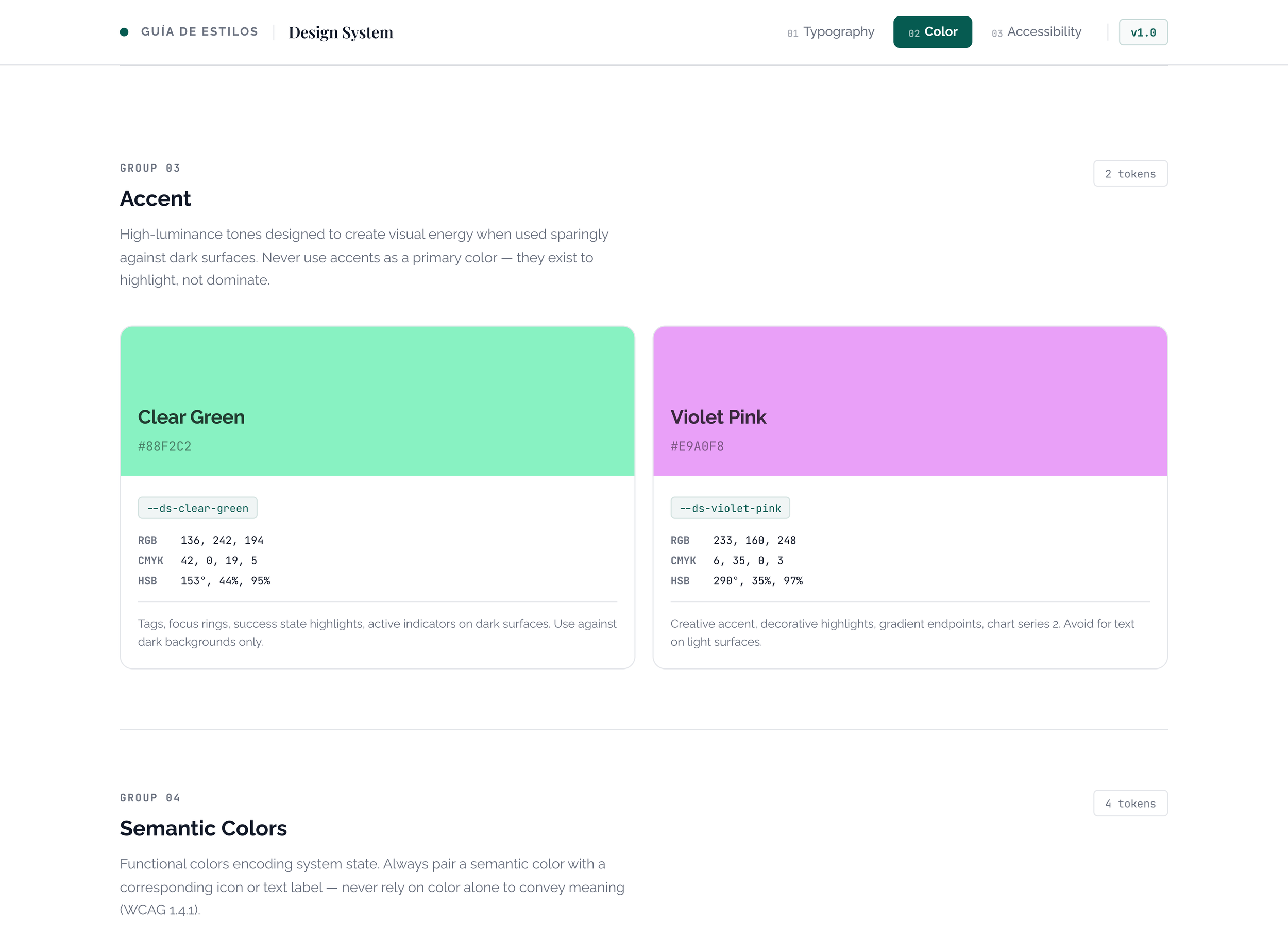
With foundations in place, I build a responsive visual language designed for scale. I define design tokens first: colour, typography, spacing, and radius, then progress through the component hierarchy: base elements (buttons, inputs, toggles) through to complex, product-specific patterns (cards, modals, transactional summaries). For AlJazira SMART and SAIB, these patterns were engineered to support both RTL and LTR layouts from the same token set. Every component is stress-tested across breakpoints and interaction models. For RTÉ Player, this meant optimising for TV D-pad focus states, mobile thumb zones, and web hover states, from a single shared library.
3. Handoff, Documentation & Measurable Impact
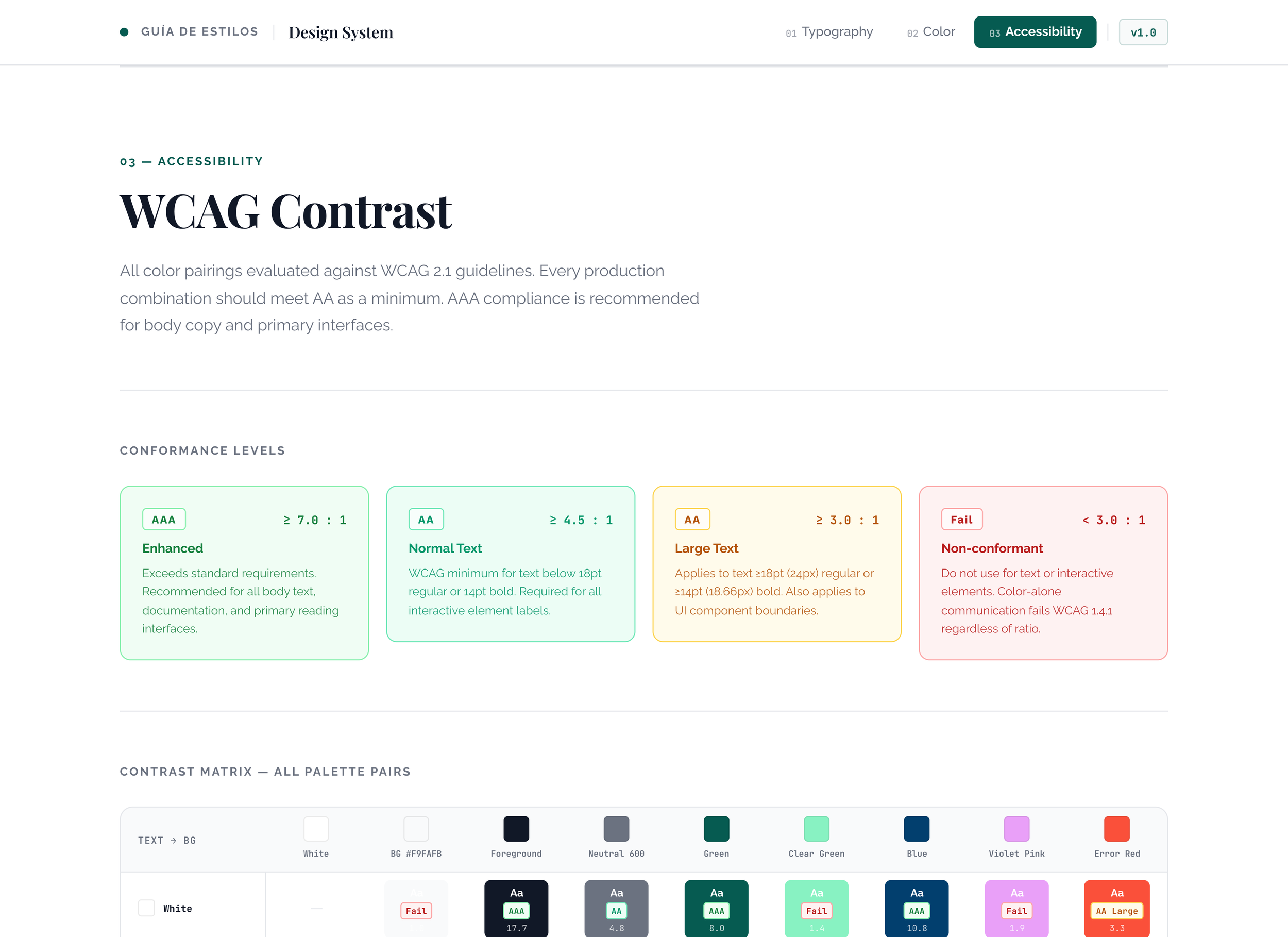
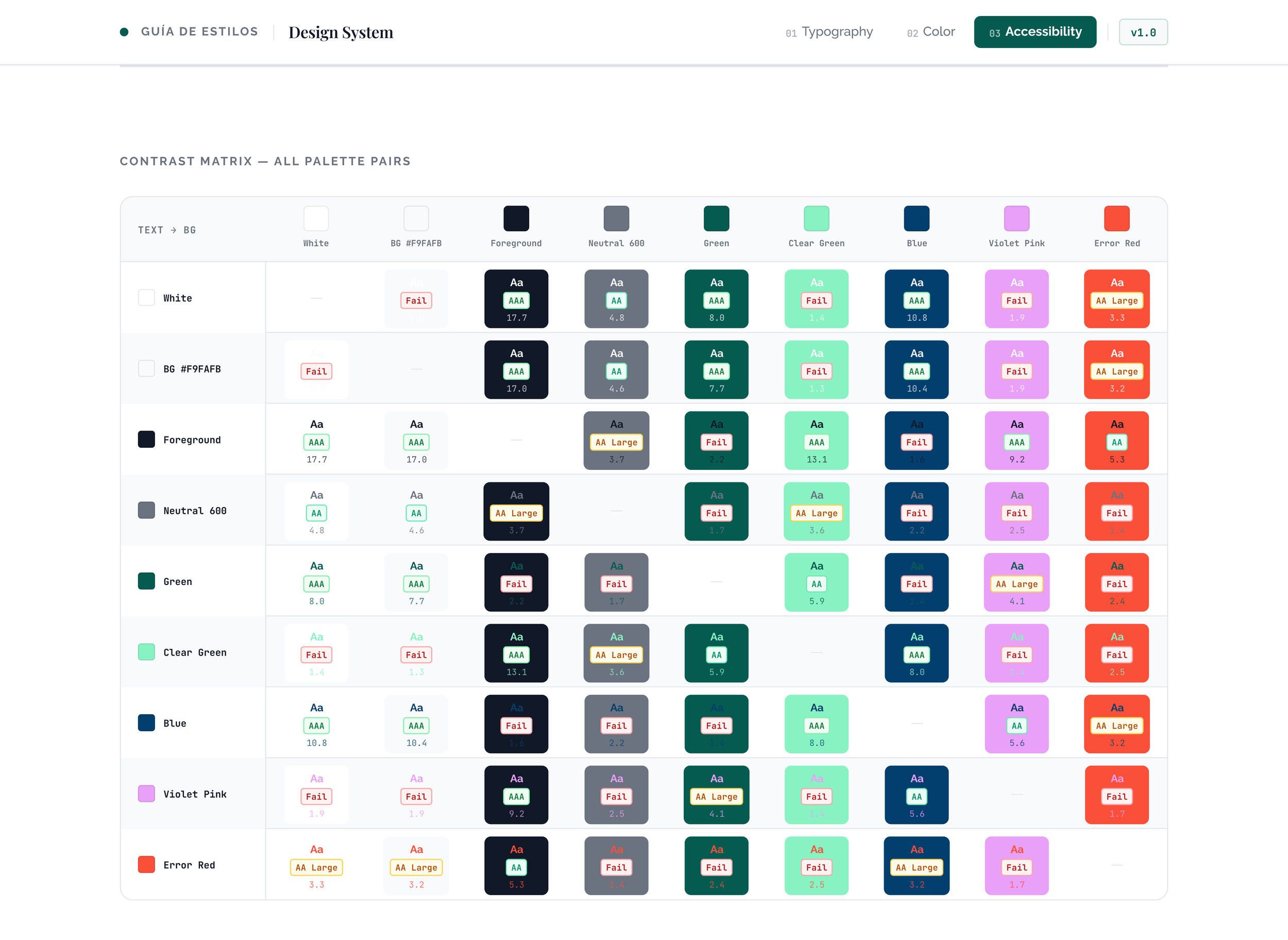
Adoption is what turns a design system into a business asset. I provide code-ready specifications, component behaviour, states, and interaction rules, working directly with engineering through implementation and QA. For AIGF, the design system was translated into a Storybook component library, allowing engineering to build high-fidelity interfaces faster and reducing repeated design-to-development work. This helped the team deliver the MVP within a short timeframe while maintaining consistency across the product. Across projects including AIGF and RTÉ Player, accessibility was treated as a system-level requirement, with components designed and tested against WCAG standards. For RTÉ Player, this resulted in WCAG AA compliance across the component system.
The outcome was a single source of truth for design and engineering, reducing UI inconsistencies, improving handoff efficiency, and creating a reusable foundation that enabled teams to deliver new product experiences faster and with greater consistency.
Reflection
Working on Design Systems changed how I approach design: from focusing on individual screens to thinking in terms of systems, scalability, and product consistency. I learned that effective systems grow from real user needs, technical constraints, and business priorities, and that their success depends as much on cross-functional collaboration as on the components themselves.
Across Bari Music, RTÉ Player, AIGF, and banking products, this experience strengthened my ability to translate complexity into clear, reusable, and scalable design solutions. Ultimately, I learned that good systems don’t limit creativity, they create the structure that allows teams to build better products, faster and more consistently.